

Don’t Become a Stock Brand
When brands let AI stand in for judgment instead of craft, the result isn’t controversial, it’s just generic. This is the story of a tourism board that AI-generated a country instead of filming it, and the growing pile of evidence that audiences can always tell the difference.
Heard the one about the brand that outsourced its own personality to AI?
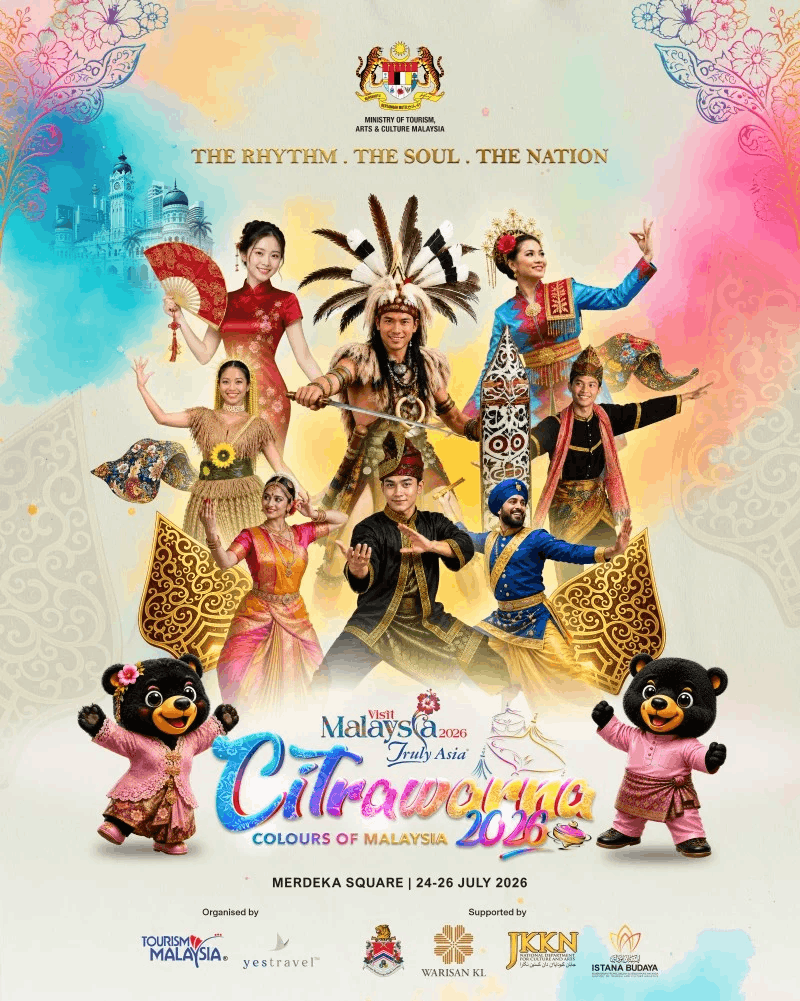
I just read coverage on Tourism Malaysia’s Citrawarna 2026 promo — the one where a government tourism board generated an entire cultural festival with AI instead of pointing a camera at the real cultural assets all around it. AI dancers. AI wood carvers. An AI version of a public square that already exists and was, presumably, available for filming. They even managed to mirror-image their own national flag.
I read this the way you’d read about a restaurant hanging a stock photo of a steak on the wall instead of cooking one and taking a picture of it. It’s not that the photo looks bad. It’s that it looks inauthentic and people notice. (Yes, I know firsthand how much more difficult/expensive it is to take a great food shot than to use stock or AI. But just go with me on this.)
Countries go to great lengths to preserve and promote their unique culture. It’s the most personal and authentic thing about them. So…WTF were they thinking?
Nobody Asked the Dancers
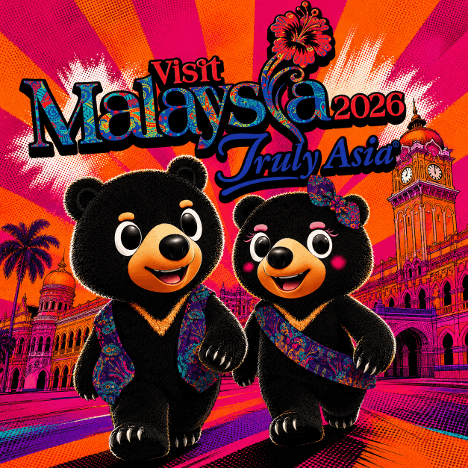
The clip went up on June 22, featuring the festival’s cuddly mascots, Wira and Manja, walking through an AI-rendered version of Dataran Merdeka, Malaysia’s storied, flag-raising Independence Square, alongside AI depictions of traditional dancers, communities in traditional dress and hand-stretched roti canai flatbread being made. It came down two days later. No statement, no explanation. Just gone, the way something disappears when the people who approved it would rather not discuss why.
One well-known Malaysian comedian put it plainly online: the country has actual cultural dancers, actual food, actual scenery and actual creative people who could have made this. What’s unsettling isn’t that a cost-saving call got made. It’s that someone looked at the AI cut and decided it was good enough to publish.
And as I always say: stock images create stock brands. (Ok. I don’t always say that. But it does sound like something I would say.)
Nobody Rejected the Tool. They Rejected Being Cut from the Credit.
Here’s the part that should change how you think about this. Social-listening data on the backlash found that 84.6% of the negative sentiment was about authenticity — not opposition to AI as a technology.
That distinction matters more than the outrage cycle around it. Audiences aren’t rejecting AI. They’re rejecting being told a fake thing is the real thing and rejecting brands that skip the people who’d have made it real.
This isn’t just a Malaysia problem. It’s a cautionary tale for us all.
- 87% of consumers say the best advertising still requires a human touch, and 70% say they can tell something’s missing from an AI ad, without being told why. Audiences don’t need a disclosure label. They just feel it.
- 71% of Gen Z and Millennial consumers now believe they’ve seen an ad made with AI, up from 54% just two years ago. That’s not a niche skill anymore. That’s most of your audience, watching closer than you think.
- Only 13% of consumers say they completely trust AI, full stop, meaning every AI-made campaign starts the relationship already in the red.
It Doesn’t Know Why the Real Dancer Matters
AI is genuinely good at the mechanical stuff like rendering, resizing, filling a brief exactly as written. What it can’t do is feel embarrassed that the dancer isn’t real or come close to understanding what it means to a culture to be represented by something that was never asked to show up. It executes. It doesn’t wince.
Two examples of the same failure in different outfits:
- Meta had to pull an Instagram AI feature within days of launch after it let users generate images from real people’s public photos without asking. Same root problem as Citrawarna: using someone’s likeness, or someone’s culture, without inviting them into the decision.
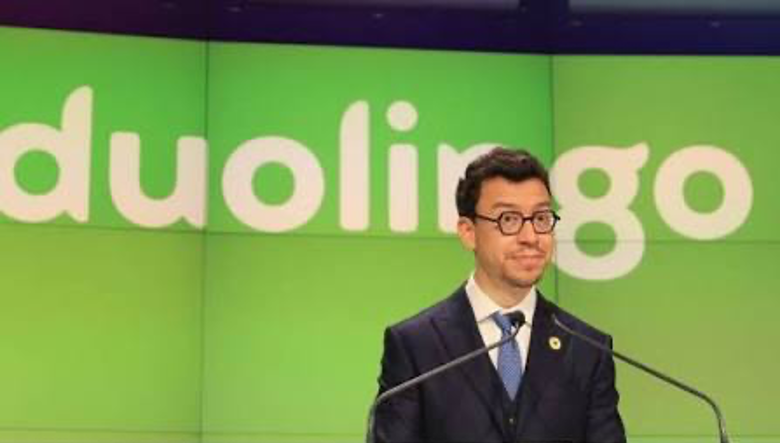
- Duolingo‘s CEO announced the company was going “AI-first” — cutting contractors, leaning harder on AI — and the backlash was swift: boycott threats, thousands of TikTok unfollows, growth slowing from 60% to 40% YoY. He later admitted he hadn’t explained what any of it meant for users. AI wasn’t new to Duolingo — they’d used it for years. What was new was announcing a decision about people’s future without a word to the people watching.
The technology isn’t the risk. The failure to understand that a brand is a relationship that has two very important and often distinct points of view, as well as the absence of a human raising their hand and asking “should we?” is the risk.
Consistency Is the Whole Point
Trust now shapes 92% of global buying decisions. And brands in the top trust quartile earn a 31% revenue premium over everyone else. Distinctiveness is what earns that trust — the specific, textured, unmistakably-you details that make a brand recognizable at a glance. That’s exactly what gets sanded off when AI fills in the gaps nobody double-checked. In Tourism Malaysia‘s case, that was the foam on the tarik tea as its poured between two cups, or the woven-leaf texture of ketupat rice cakes steamed inside palm-leaf pouches. Small details. Whole brand identity made generic.
And this compounds, because most brands aren’t being honest about how often it’s happening. Distrust of AI content roughly doubled in twelve months, while only 20% of brands always disclose when they’ve used it. That gap between what audiences want to know and what brands actually tell them is where the damage sits and grows.
What This Actually Means for Your Brand
Strip away the anecdotes and here’s what’s left — the key questions worth asking before AI touches anything customer-facing:
- Does this replace a person we could have credited instead?
- Have we disclosed that this is AI-made, proactively, before someone asks?
- If this claims to represent real people or a real culture, were real people in the room making it and not just approving it after the fact?
- Who in the loop has zero stake in the campaign and gets to say “this feels off” before it goes live?
- Is AI accelerating a decision a human already made, or making the decision for us?
- What should AI never ever be allowed to touch?
Don’t Become a Stock Brand
A stock photo isn’t wrong. It’s technically fine but emotionally empty, and it says nothing about the actual thing it’s supposed to represent. That’s what’s on offer every time a brand lets AI fill in the details nobody bothered to check — a technically competent version of yourself that could belong to anyone.
AI will never be embarrassed on your behalf. That’s still your job. Don’t let it turn you into stock.
Sources: Marketing-Interactive, July 2026, Canva, State of Marketing & AI Report, 2026, IAB, The AI Ad Gap Widens, 2026, Klaviyo, AI Consumer Trends Report, 2026, PwC, Consumer Intelligence Series, 2026, Fractl, AI Search Consumer Trust Study, 2026, TechCrunch, July 2026, Forbes, November 2025