How to Get Your Ass in the News
Wet Ones got New York talking about hand wipes by giving the city something more interesting to discuss than hand hygiene. How much controversy would you have approved to get that conversation started?
I’ve said it before. The good ideas are the ones that make your palms sweat. That’s how you know they’re good. I’ve always enjoyed the part of a creative presentation when somebody asks, “What if people take this the wrong way?” It’s a perfectly reasonable question, and I’ve been asked it about some of our favorite ideas. In fact, I’ve made a career out of looking for things people might argue about, and we’ve won a few awards for the work that made it out of the room and into the wild. But on many more occasions, I’ve had clients who quite liked an idea, understood exactly why it would get publicity, and came to the entirely rational conclusion that they’d prefer something safer.
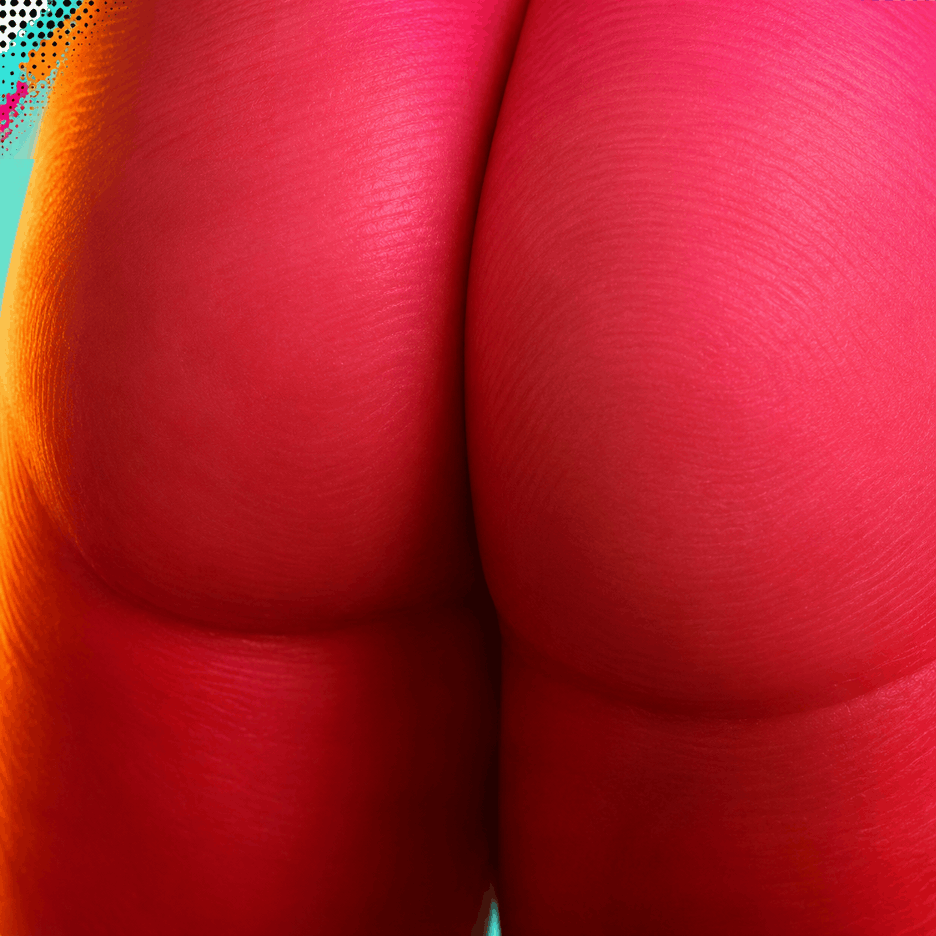
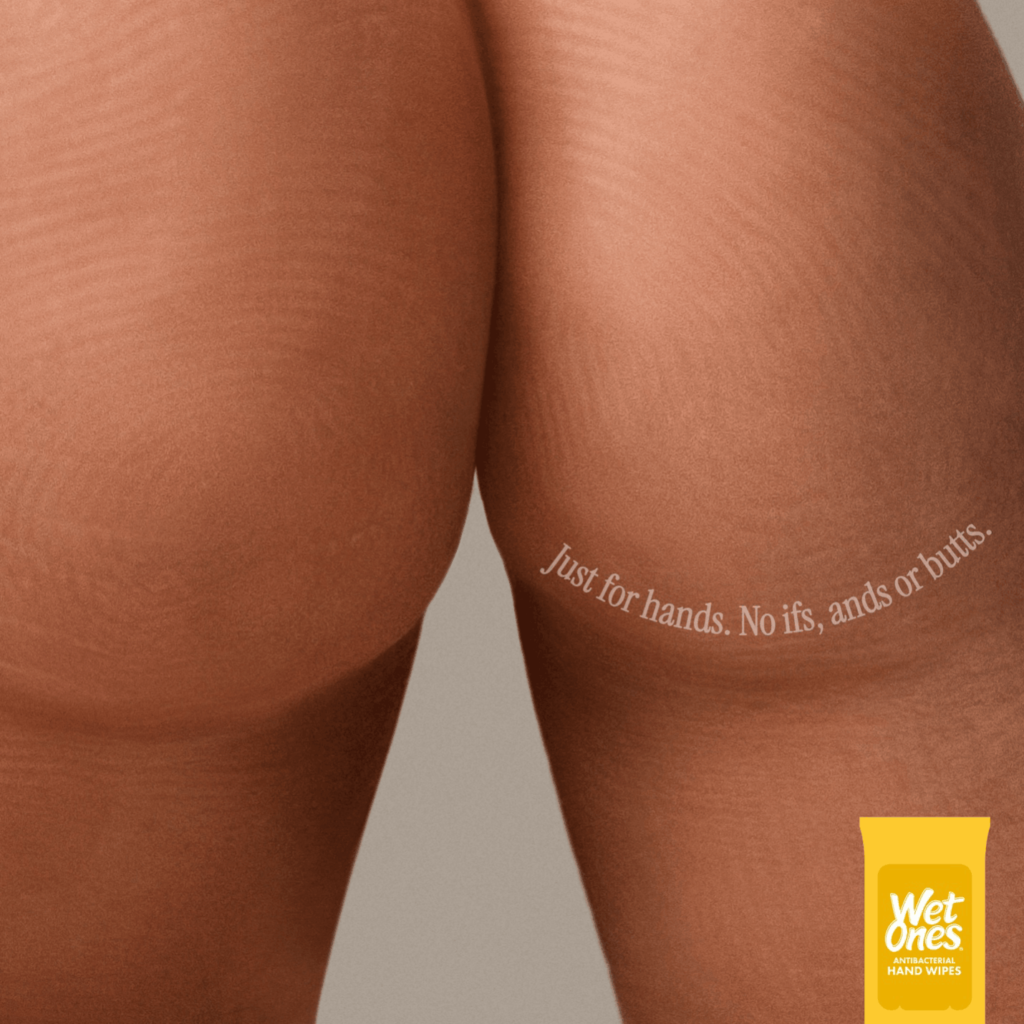
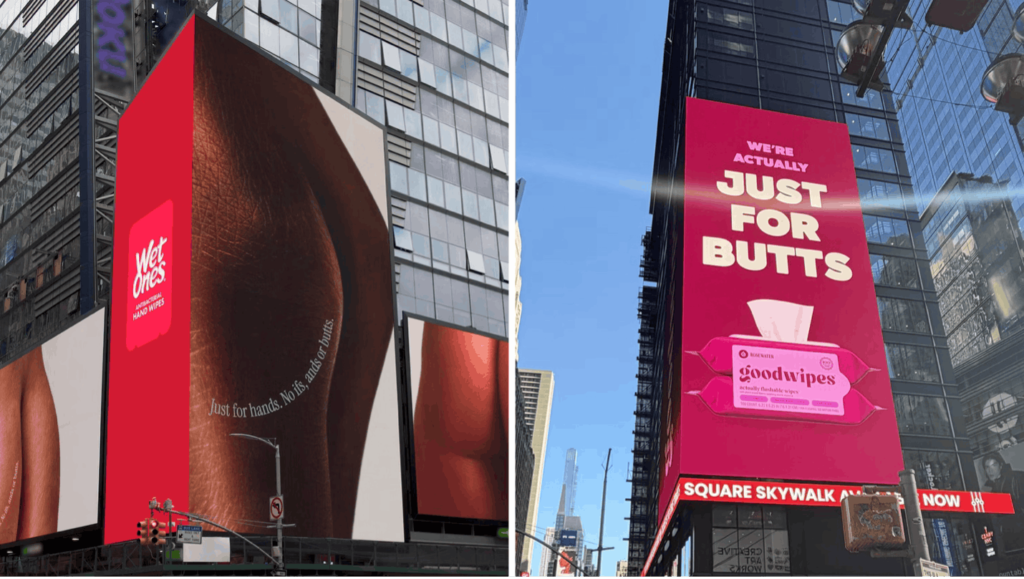
Now look at the picture above. Look a little closer. That’s a pair of fingers photographed so close that the crease between them looks like the cleft of a bare backside. Once you see the fingers, it’s hard to see how you missed them. Wet Ones, a brand of antibacterial hand wipes, built its “Just for Hands” campaign around that same double take.
I thought of those creative presentations when I read that New York’s Metropolitan Transportation Authority had declined to run Wet Ones ads in the subway. I can imagine how much easier that idea was to sell to a reporter than it was to approve in the first place.
The things people tell a survey
More than half of respondents to a survey commissioned by Wet Ones said they’d used a hand wipe on an intimate area. A perfectly respectable marketing department could have responded by making the words for hands a little bigger on the packet.
Instead, Wet Ones made fingers, palms and knuckles look like bare backsides. The headline, “Just for hands. No ifs, ands or Butts” invites a second look. The audience gets to discover that it supplied the dirty part of the joke itself. Wet Ones had something awkward to tell customers about how they should use their product. The optical illusion made the correction funny enough that people spread those “cheeks” all over the Internet.
That tells me there’s room for a brand willing to give people a reason to take a second look at their ads, particularly in a category where the competition is still explaining how to open the packet.
The subway declined to show it. The press was less shy.
When the transit authority declined to run the ads on the subway, they still ran above ground, including on billboards in Times Square, and Wet Ones took the rejection to the press.
The objection made the illusion more interesting. A hand-wipe company telling you its ad looks like a backside is making a claim about its own cleverness. A transit authority deciding the resemblance is too convincing for the subway gives you a reason to look for yourself. I doubt the transit authority meant to amplify the campaign, but it did a lovely job.
The rebuttal was also about butts
Goodwipes, a bathroom-wipe brand, answered with “We’re actually just for butts.” Wet Ones replied on a Times Square billboard, “Very cheeky, @Goodwipes. Together, we can clean up this city.” The two brands managed to have a public argument that clarified what each product was for. A friendly billboard feud between two complimentary brands must have been more than either could have ever hoped for.
The client has to say yes before the subway says no
Before approval, the client has a joke that could cost it a placement. Afterward, everyone can see how losing that placement gave the press a story. But the original decision still has to make sense without the benefit of hindsight. Wet Ones had other places to run the work and a product point worth making even if the subway had waved it through.
They remember the ass. Do they remember the wipes?
When someone tells this story to a friend, where does our product come into it? With Wet Ones, the brand’s point survives even when the storyteller starts with the subway rejection. If your logo has to make a surprise appearance at the end of somebody else’s retelling, you may have written a better joke than ad.
You can’t ring up a view at the till
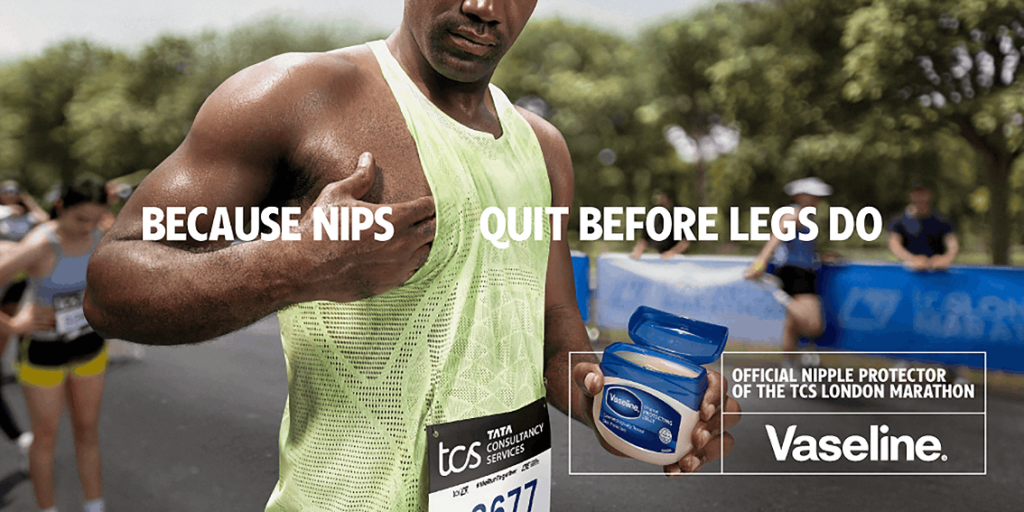
Vaseline, Unilever’s petroleum jelly brand, had a similar advantage in April when it became the London Marathon’s Official Nipple Protector. In research reported by Unilever, about one in three marathon runners said they experienced nipple chafing, and 64% said they used Vaseline Jelly to reduce friction and protect their skin. The brand offered its petroleum jelly at “Nip Stops” along the route and took the campaign to running communities in cities including Barcelona, Caracas, Singapore and Sydney. It was most certainly a controversial idea to approve, but the company cleverly let it slide on through. And, of course, the publicity turned a simple idea into a spectacle. Nipple is a naturally titillating word, after all.
I still like a campaign that makes the client swallow hard before saying yes. But only as long as we know the brand will be better off after that moment of discomfort. In the case of Wet Ones, a stranger could tell you why the subway turned down the ad, show you the picture and explain what the product was for, all before the train arrived.
Sources: Marketing Dive, Kantar, MediaPost , Edelman