Rebranding Alone Can’t Fix a Broken Brand
Beyond Meat’s reinvention raises a question every marketing leader should ask: Are we giving customers a new reason to buy, or just a new look?
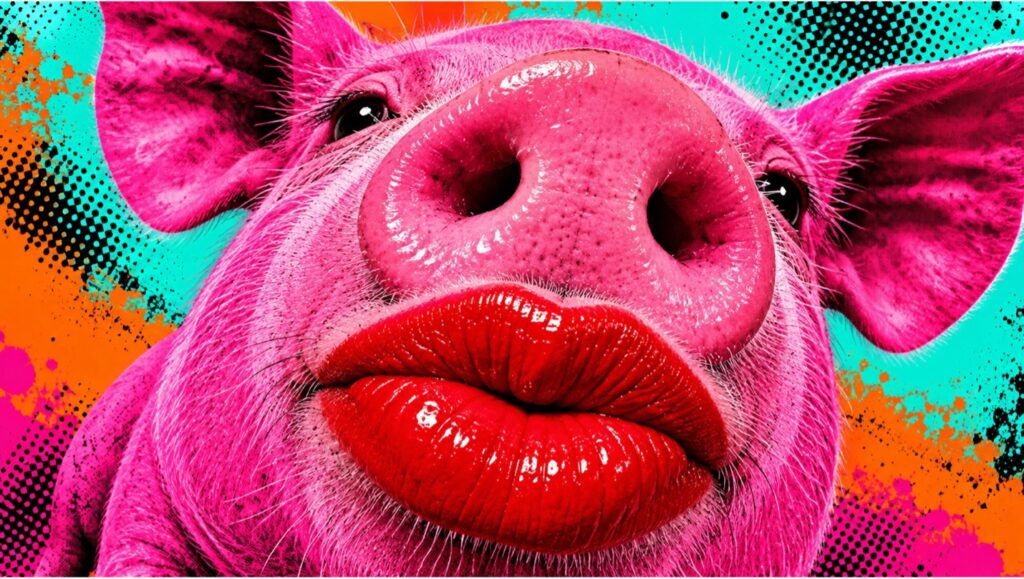
“You can’t put lipstick on a pig.”
As far back as I can remember, we in the ad world have parroted this old saying. It’s a crude but effective shorthand to the truism that a fresh identity helps communicate change. But it can’t do the changing.
After decades in the brand invention business, I understand the appeal of a fresh start. New name. New packaging. New campaign. Everyone gets something to be excited about, including the agency’s accounts department. The awkward question is whether the customer gets anything new to be excited about.
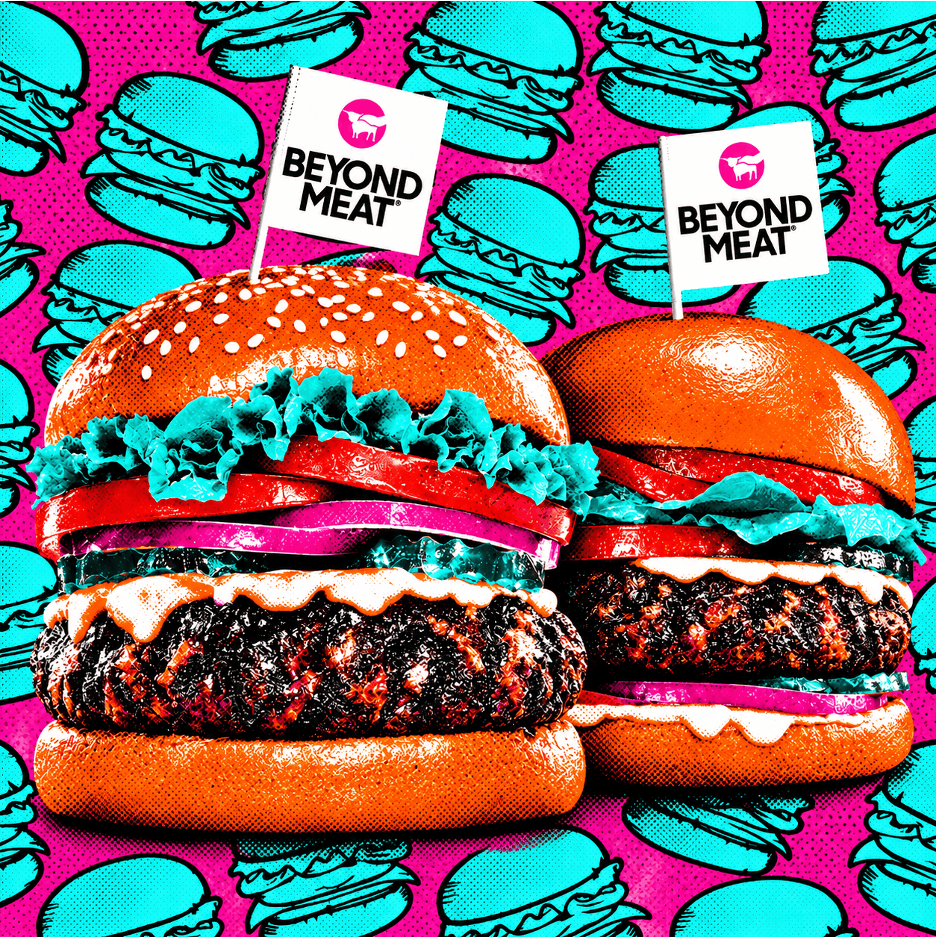
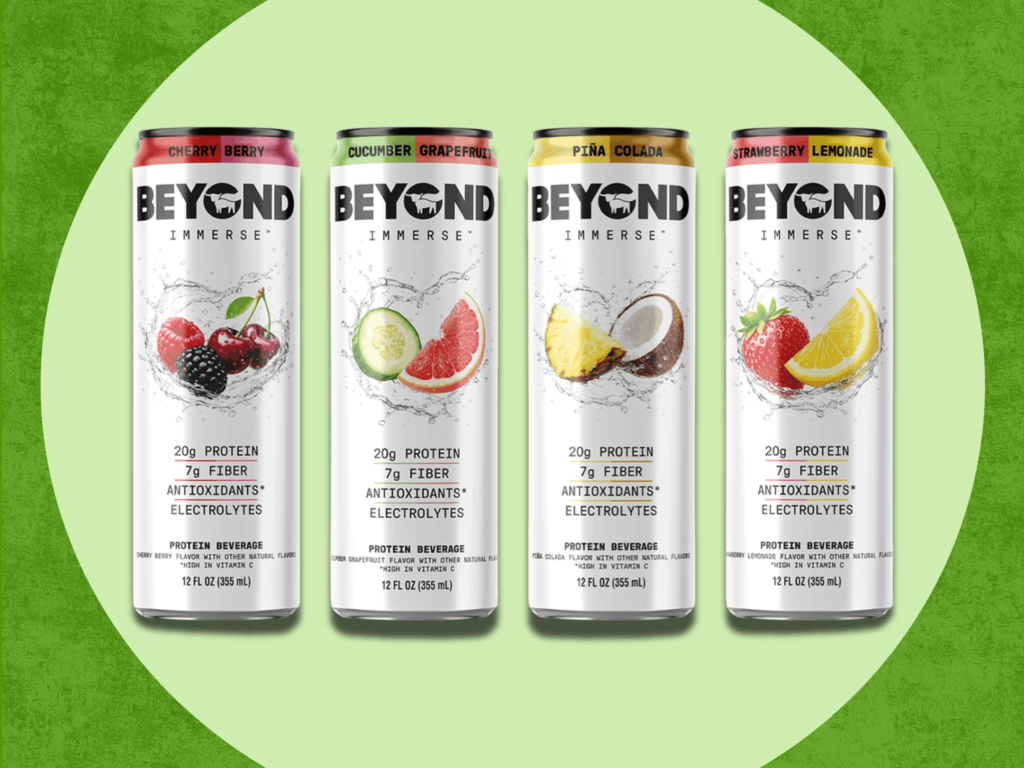
That question came to mind reading a report in The Wall Street Journal on Beyond Meat’s reinvention as a broader plant-protein business, with powders, bars and drinks. The American company built its name on plant-based alternatives to burgers and other meat products. Now, with its star fading, which CEO Ethan Brown partly blames on hostile meat-industry messaging, Beyond is trying to give customers more reasons to buy other products made with protein from plants.
Beyond isn’t simply changing the label. It’s developing new products, testing them with consumers and expanding distribution. Whether those changes will produce a turnaround is still unproven.
There’s a plausible opportunity: PwC, the global accounting and consulting firm, found in its 2025 survey across 28 countries and territories that 33% of consumers ranked health benefits among their most important reasons for switching food brands. Whether Beyond can capture them remains the interesting part.
For CMOs and marketing directors, the challenge is knowing what needs to change and how much of it lies outside the marketing department.
Diagnose Before You Redesign
Declining sales are a symptom. The cause could be poor value, disappointing service, weakening demand or a product that’s stopped being distinctive. Each requires a different treatment. Merely, prescribing a new branding campaign for all of them is the marketing equivalent of putting Botox on a broken leg.
Size offers limited protection. EY, the global accounting and consulting firm, analyzed more than 6,000 brands for its 2026 report and found that small brands’ annual retail-sales growth averaged 8.1% during 2023–25, versus 3.8% for mega brands—the largest brands in its analysis. Familiarity doesn’t guarantee continuing relevance.
Starbucks addressed the experience in its 2025 reset: staffing, service, ceramic mugs and the return of self-service condiment bars for milk, sugar and other additions. Those changes give customers something tangible to judge. A campaign announcing a welcoming coffeehouse becomes considerably more convincing when the coffeehouse actually welcomes you.
Give the Promise Some Teeth
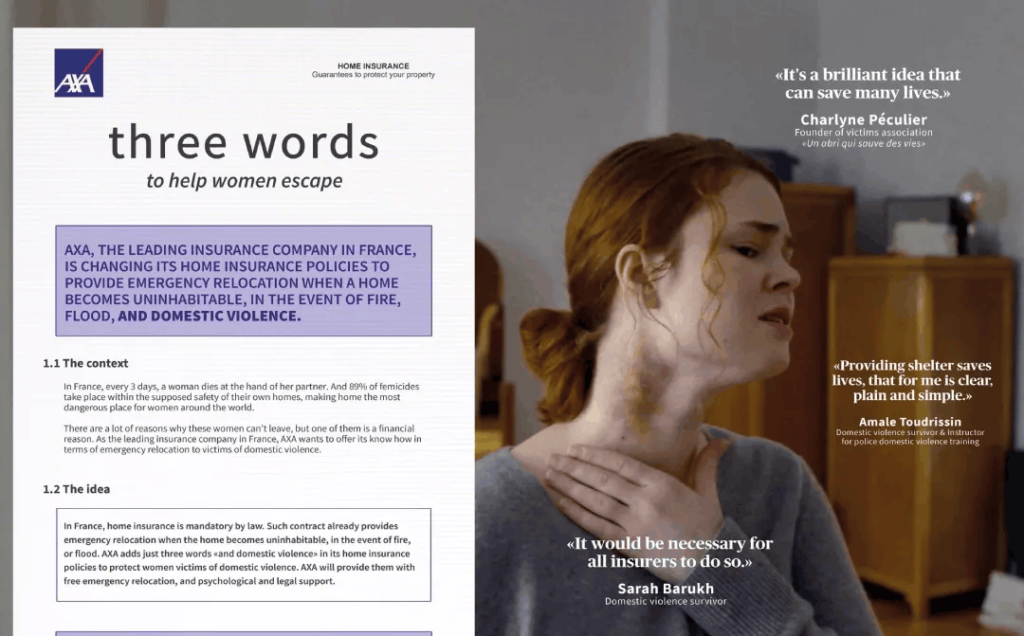
AXA France, the French operation of the international insurance group, made protection more meaningful in 2025 by adding domestic-violence coverage to home insurance, including emergency relocation. It changed what the policy could do for someone whose home had become unsafe. That’s a positioning argument written into the product.
Edelman’s 2025 research across 15 countries found that 80% of respondents trust the brands they use. That relationship is valuable. Strengthening it requires something more useful than announcing how deeply you care.
Sometimes the opportunity is already in the wardrobe. Burberry, the British luxury fashion house known for its trench coats and distinctive check pattern, emphasizes outerwear, scarves and heritage rainwear in its 2026 strategy—a recommitment to recognizable strengths made relevant through products and merchandising. Sometimes reinvention simply requires a brand to return to its roots.
Kantar’s global research confirms that brands meaningfully different to more people command up to five times the market penetration of competitors.
Clarity matters too. Decathlon, the French sporting-goods retailer and manufacturer, combined modernized stores with a streamlined brand portfolio in its transformation. Deloitte found in its 2026 global executive survey that about half of consumer-products organizations intend to rationalize their product ranges. Often that means reducing overlapping or unnecessary products. Sometimes the strongest new proposition contains fewer things to explain.
Stretch Without Pulling Something
Deloitte also found that seven in ten surveyed executives expect high-growth opportunities beyond their traditional markets. Plenty of companies want to expand. Customers still have to understand why they belong there.
Xiaomi, the Chinese technology company known for smartphones and connected devices, introduced its YU7 sport utility vehicle, or SUV, in 2025 within its “Human × Car × Home” strategy. The idea is to connect personal devices, homes and vehicles so they work together. The proposition demands engineering, integration and service. An ecosystem is expensive to build, even if the word is free to put in a presentation.
Spotify, the Swedish-founded audio streaming service, offers another route. Its April 2026 audiobook developments included Page Match, a feature that scans a page in a printed book to find the corresponding place in the audio version, helping people switch between reading and listening. The extension builds around a familiar listening habit while solving a practical inconvenience. That gives customers a reason to try it beyond Spotify’s enthusiasm for selling it.
The Price Tag Is Part of the Brand
IKEA, the Swedish-founded furniture and home-furnishings retailer, linked lower prices with increased quantities sold in its FY2025 reporting. Affordability was expressed through what customers paid. Deloitte found that 47% of consumers globally behave as value seekers, sacrificing convenience to keep costs down.
A CMO promising better value needs finance and operations in the room. Otherwise, the positioning may survive only until someone reaches the checkout.
Be Relevant Without Becoming Unrecognizable
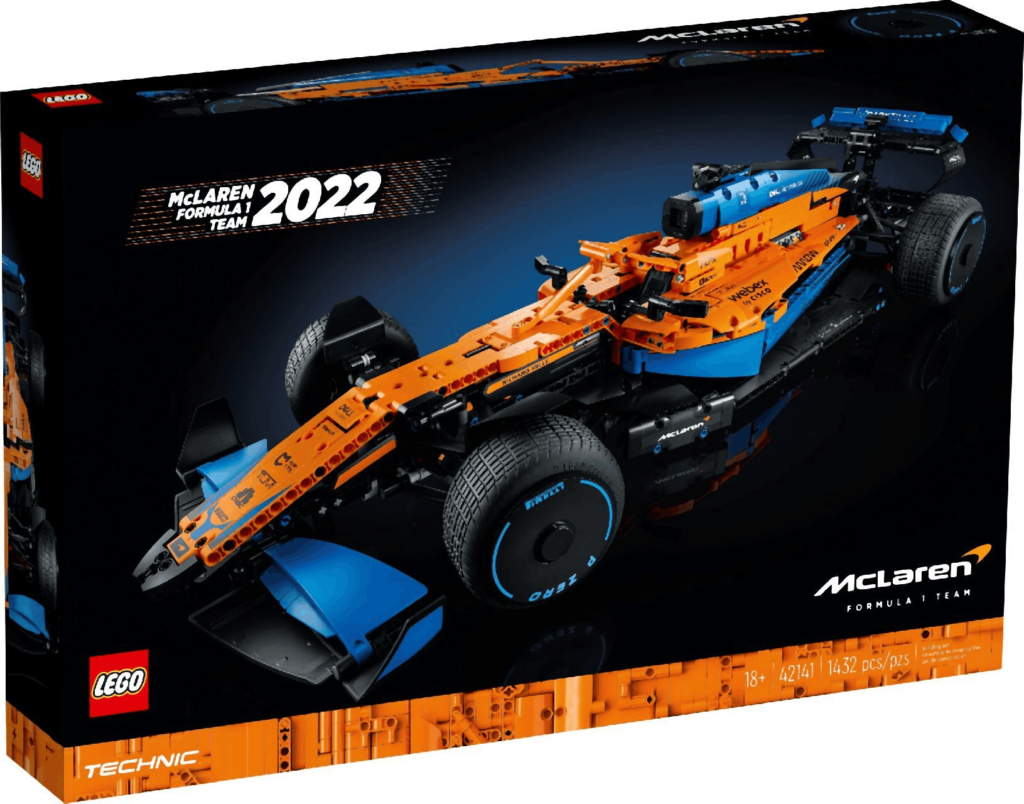
LEGO launched products and race activations with Formula 1, the international motor-racing championship, in 2025. It brought its familiar building experience into another audience’s interests. Edelman found that 73% of respondents said their trust would increase if a brand authentically reflected today’s culture. The opportunity is to participate credibly. The qualifying word is “authentically,” which tends to disappear when someone says, “Let’s just do something on TikTok.”
Relevance also changes with geography. This month, the North American leadership of 7-Eleven, the Japanese-owned international convenience-store chain, outlined plans to adapt lessons from Japan in quality, private-label products and store experience. Local validation matters: Edelman found that brands headquartered in consumers’ own countries enjoy an average 15-percentage-point trust advantage over foreign brands in the markets studied. That means a gap between trust percentages. Global recognition is useful luggage. It doesn’t clear every border.
Make It Work Where People Buy
Nike illustrates another responsibility through its rebuilding of wholesale relationships during its 2025–26 turnaround. It’s about ensuring customers encounter the brand in the right places. Deloitte found that 79% of surveyed consumer-products executives expect power to shift further toward retailers over the next two to three years. That means that distribution also belongs in the brand discussion.
These examples offer different approaches and proof that branding alone rarely produces the desired result. Their useful common ground is connecting the proposition to something customers can experience.
Beyond’s reinvention deserves the same test: new customers, repeat purchases, sustainable margins and continuing demand. Publicity gets the story started. Purchases determine whether it has legs.
The board can approve a new name. Only customers can approve a new future.
Sources: The Wall Street Journal — Beyond Meat’s reinvention and 7-Eleven’s turnaround plans, Company reports — Starbucks, AXA, Burberry, Decathlon, Xiaomi, Spotify, IKEA, LEGO and Nike, PwC — Voice of the Consumer 2025, EY — State of Consumer Products 2026, Edelman — Brand Trust, From We to Me, 2025, Kantar — Blueprint for Brand Growth, referenced in its 2025 Brand Blueprint Awards, Deloitte — Global Consumer Products Industry Outlook 2026.