Your Customers Already Know What’s Wrong with Your Brand. Just Ask Them.
Burger King has discovered a revolutionary alternative to expensive market research: publicly asking customers what they think. Other companies might want to try it.
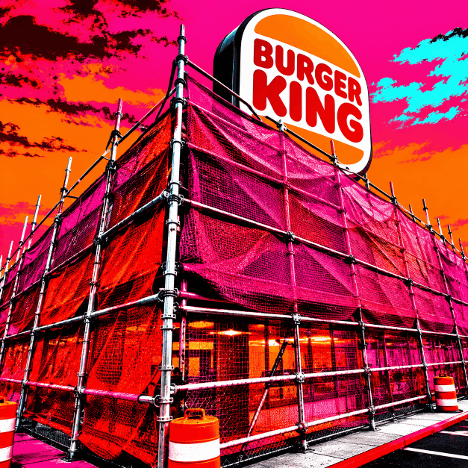
Burger King has launched an unusual new marketing campaign. Instead of asking customers what they love about its restaurants, it’s inviting them to identify which ones are dumps.
The American fast-food chain’s Rebuild My BK campaign, launched in November, asks customers to nominate restaurants most in need of renovation. The nominations, open until January 5, 2027, will help inform the company’s remodeling priorities.
Earlier this year, Burger King president Tom Curtis publicized his phone number and reportedly received 120,000 calls. Imagine giving customers the boss’s number instead of directing them to a chatbot trained to apologize without doing anything.
It’s a bold idea. Burger King has spent decades telling customers to Have It Your Way. Now it’s asking them to explain why they haven’t.
Most companies spend fortunes discovering what customers think. Burger King has discovered a revolutionary alternative: just ask them.
The Department of the Bleeding Obvious
Companies have developed an extraordinary apparatus for understanding customers: surveys, focus groups, sentiment analysis, social listening, mystery shoppers, consultants and dashboards that could probably launch a satellite.
The global market research services industry is worth approximately $84 billion. Yet customers continue encountering unanswered phones, confusing websites, filthy bathrooms, delivery failures and employees who seem genuinely surprised that someone wants to buy something.
The problem isn’t necessarily insufficient research. It’s that research can become an elaborate and expensive way of avoiding what customers have already told you.
Domino’s understood this when it launched its famous Pizza Turnaround campaign in 2009. Rather than pretending everyone loved its product, the company publicly acknowledged complaints that its pizza tasted like cardboard and its sauce like ketchup.
Then it changed the recipe. A revolutionary concept. Apparently, customers complaining about the food sometimes means there’s something wrong with the food.
Silence Isn’t Golden
Here’s something more alarming than an angry customer: a silent one.
Qualtrics‘ 2026 consumer experience research, involving 20,000 people across 14 countries, found that only three in ten customers directly tell companies what went wrong. Nearly half of bad experiences cause customers to reduce or stop spending. The others aren’t necessarily happy. They may simply be shopping elsewhere.
PwC’s 2025 customer experience research found that 52% of consumers had stopped buying from a brand because of a bad product or service experience. Yet companies continue measuring customer satisfaction through surveys completed by people sufficiently motivated to answer them.
The customers who hate you most may already have left. And they probably aren’t interested in completing your 37-question satisfaction survey for a chance to win a coffee mug.
An absence of complaints isn’t evidence that everything is wonderful. It may mean customers have decided you’re not worth arguing with.
Thank You for Your Feedback. Goodbye.
Collecting complaints is relatively easy. Doing something about them is apparently more challenging. Ipsos’ October 2026 customer experience research found that only 33% of customer issues were fully resolved. In 30% of cases, companies did nothing. In 85%, they didn’t even apologize.
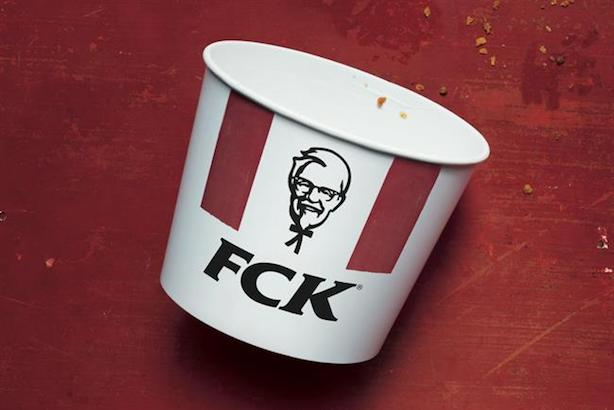
Apparently, customer service has become an exercise in making customers regret contacting customer service. When KFC ran out of chicken in Britain in 2018, closing hundreds of restaurants, it responded with its now-famous FCKapology advertisement. The company acknowledged the absurdity, took responsibility and made the apology memorable.
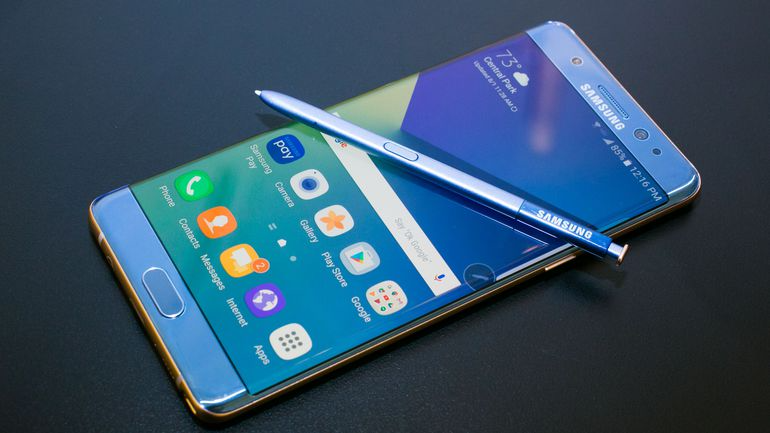
But the advertising wasn’t the solution. Restoring its chicken supply was. Samsung faced a considerably more serious problem when its Galaxy Note7 smartphones began catching fire in 2016. Following a global recall, the company investigated the failures, published its findings and introduced new battery safety procedures.
Neither business could advertise its way out of the problem. A customer complaint isn’t a marketing opportunity until somebody actually fixes what’s wrong.
Fix the Burger Before the Advertising
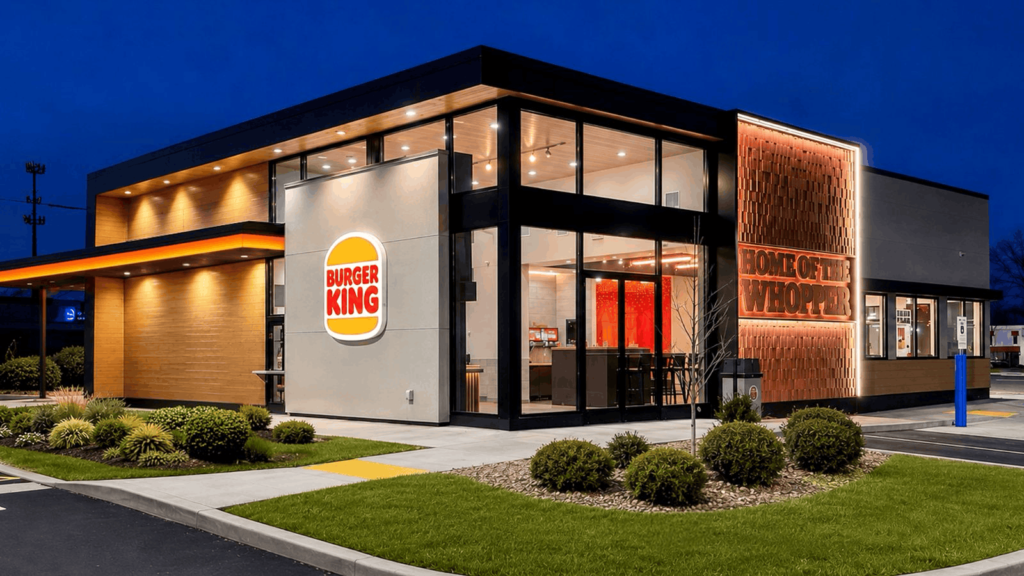
Burger King’s campaign is interesting because it connects marketing directly to operational improvements. The company reported an 8.4% increase in U.S. comparable sales in the third quarter of 2026, before Rebuild My BKlaunched. Its broader turnaround includes restaurant renovations, operational improvements and a renewed emphasis on customer experience.
Starbucks has been pursuing something similar with its Back to Starbucks strategy, addressing waiting times, staffing and the coffeehouse experience. The company recognized that customers wanted something more fundamental than another seasonal beverage with a name requiring three lines on the cup.
For smaller businesses, the principle is particularly important. A boutique hotel in Marrakech doesn’t need another influencer posing beside its swimming pool if guests are complaining about check-in delays. A Dubai restaurant doesn’t need a new brand identity if customers can’t get a waiter to notice them.
Advertising can announce a better experience. It cannot substitute for one. A beautiful campaign for a restaurant with filthy toilets is simply a more expensive way to disappoint customers.
The Customer Isn’t Always Right
Of course, customers can be unreasonable, contradictory and occasionally spectacularly wrong.
Ryanair has built a successful low-cost airline by understanding that customers primarily want cheap flights, even if some would prefer complimentary champagne, reclining seats and a personal foot massage.
Listening doesn’t mean surrendering every business decision to the loudest complainer.
Burger King isn’t promising to renovate every restaurant somebody dislikes. Customer nominations will inform investment decisions alongside operational and financial considerations. The important distinction is between an unreasonable demand and a legitimate failure.
A luxury hotel shouldn’t slash its room rates because someone complains they’re expensive. But if guests are consistently complaining about dirty rooms, management might consider buying a vacuum cleaner before commissioning another brand perception study.
Have It Your Way. We Might Actually Listen.
Burger King’s approach carries a risk. Inviting criticism publicly creates expectations. If customers identify problems and nothing changes, the campaign could become an advertisement for management’s inability to deliver.
But that’s also what makes it interesting.
Customer listening isn’t a research project, a social media tactic or a quarterly presentation. It’s a management discipline that should influence products, operations, service and marketing.
For smaller businesses, the opportunity may be even greater. An owner can talk to customers today and fix something tomorrow without commissioning a six-month study involving three consulting firms and a PowerPoint presentation nobody will read.
Burger King has discovered that customers are perfectly willing to tell companies what’s wrong. The real innovation will be finding companies willing to do something about it.
Sources: Marketing Dive, QSR Magazine, Grand View Research, Qualtrics, PwC, Ipsos, Reuters, Marketing Week — Domino’s Pizza Turnaround and KFC FCK campaigns.