The £85 Socks Trick
Every luxury brand needs a way in. The trick is giving people a piece of what they already want at a price they can justify.
I discovered Louis Boston while I was at university in my hometown. Louis was one of the most expensive men’s stores in town, with Armani, Brioni and younger designers I’d never heard of, all impeccably chosen and sold by people who could explain why a particular jacket worked on me. Near the entrance was a long table of neckties. They were expensive as neckties go, and among the few things in the store I could buy without having a serious conversation with myself.
They also made great gifts. You didn’t need to know a man’s suit size, and the fact that the tie came from Louis was part of what you were giving him. The Pearlstein family had built the business from a Boylston Street menswear shop into a fashion institution on Newbury Street. It finally closed after an ill-fated move to Boston’s waterfront in 2015. I remember the clothes and the service. I also remember how easy Louis made it to buy my first piece. The store gave me a reason to buy that day without giving me a reason to wait for the jacket to go on sale.
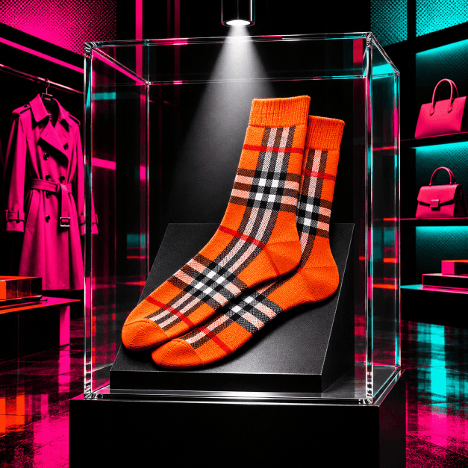
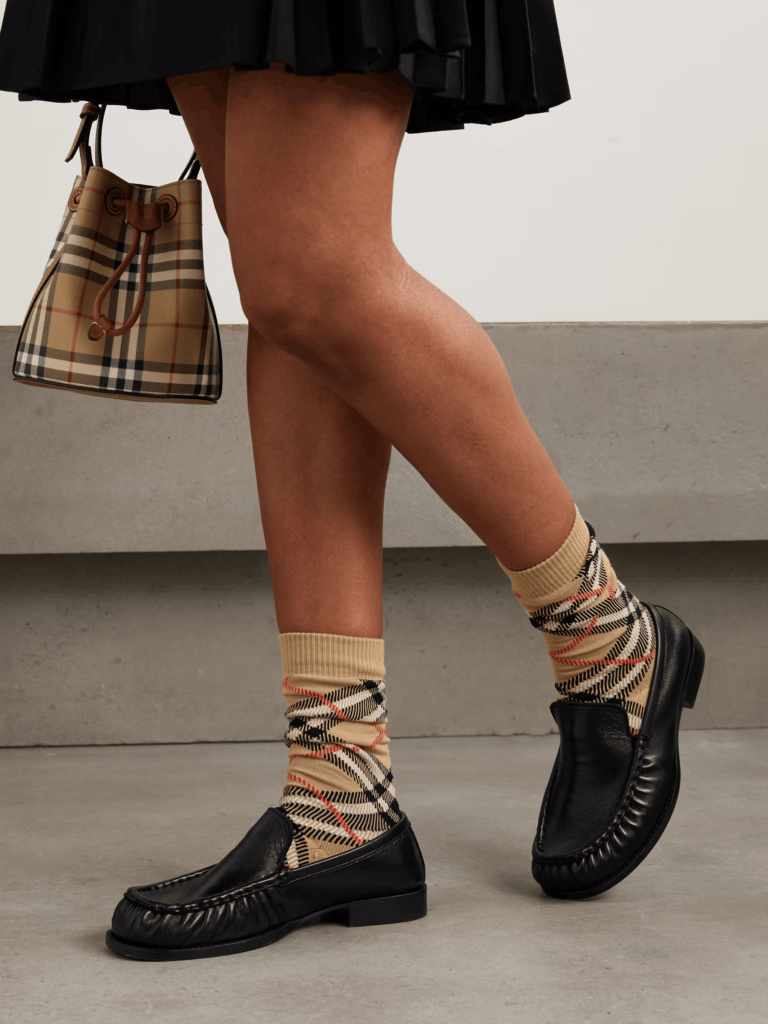
£85 is a lot for socks. It’s very little for Burberry.
Reuters reported on November 12 that Burberry’s range of prices was helping the British fashion house attract younger shoppers in China and the U.S., according to its chief executive. Comparable retail sales rose 4% in the second quarter, and the company also reported strong growth in outerwear in the first half. Burberry sells £85 socks, a £450 cashmere scarf and a £1,900 heritage trench. My bet is that people pay £85 for the socks precisely because Burberry makes the £1,900 trench.
The industry calls it entry-level luxury. The phrase makes it sound as though you’ll have to pass an exam before they let you try on the coat. In practice, it gives someone who already wants the brand a purchase they can justify. In EY’s 2026 survey of luxury shoppers across 11 markets, 65% cited quality of materials as a factor in what they bought, and 52% cited brand heritage. Both help explain why a smaller purchase can carry real value. The reputation gets the socks picked up. The socks still have to be great socks.
Give them something to buy at full price
On November 15, The Wall Street Journal reported that Gucci had cut some prices. A discount can close a sale today. Repeat it often enough and shoppers learn when to buy. If the trench predictably goes on sale, the patient customer starts treating the sale price as the real price. An entry-level product gives that customer something to buy today and gives the flagship a chance to keep doing its job. After all, the trench is helping sell the socks.
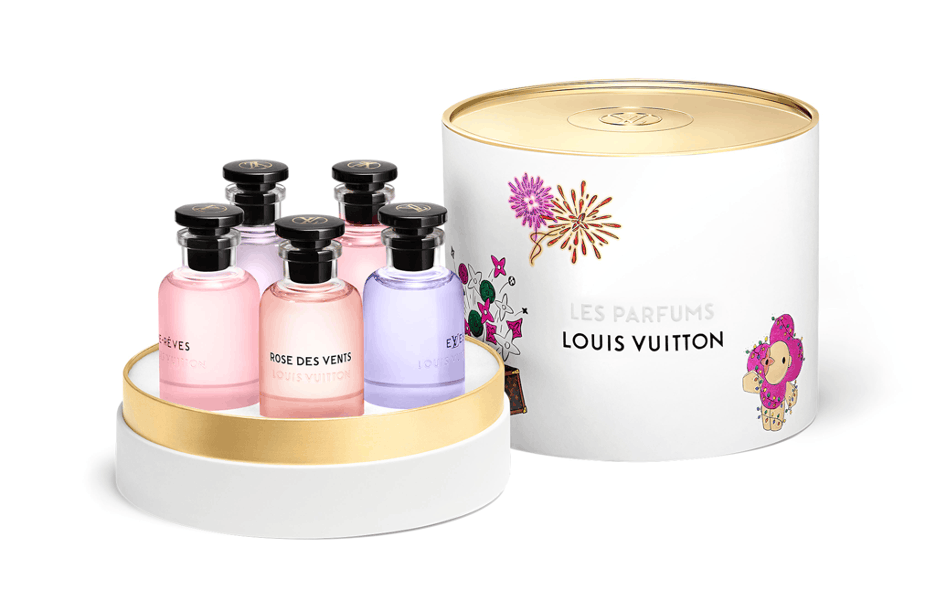
Louis Vuitton’s £265 holiday set of miniature fragrances is an expensive way to smell good and a comparatively inexpensive way to give somebody Louis Vuitton. It also creates a buying occasion that a markdown on a handbag might never touch.
In Boston Consulting Group and Altagamma’s 2026 global luxury study, 70% of respondents said they had walked away from a purchase because the price felt unjustified. More than half of those shoppers still bought within luxury, either from the same brand or from a competitor. A customer who puts down the bag may still be in the mood to buy. It helps if you have something better to offer than directions to the exit.
Give people the part they came for
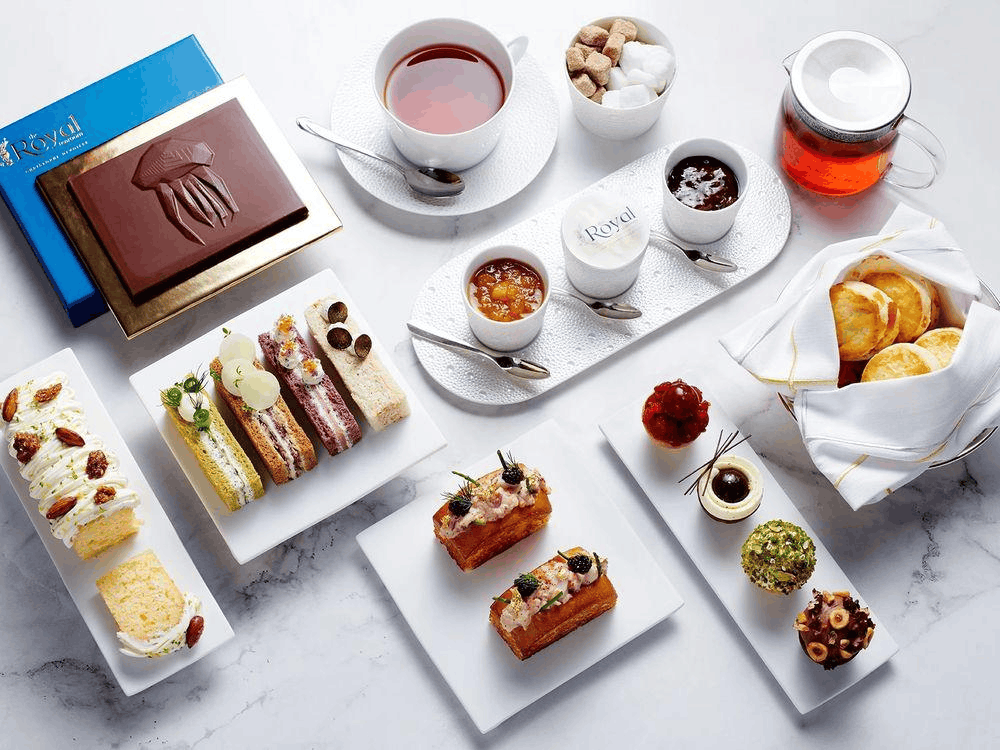
At Atlantis The Royal, the luxury resort on Dubai’s Palm Jumeirah, two people can book afternoon tea for AED 580. They get the setting, the service and the work of the pastry team without booking a room. A hotel can apply the same idea to whatever guests already rave about, whether it’s the kitchen or the spa. The afternoon can be the whole purchase, a gift for somebody else or the reason a local comes back next month and chats up the hotel to out-of-town visitors. Even a heavily discounted room is a hard sell to a customer who fully intends to sleep in their own bed.
Swiss watchmaker Audemars Piguet and Swatch put the same idea in your pocket. Their Royal Pop pocket watches launched in 2026 at £335, with the distinctive eight-sided bezel of Audemars Piguet’s much more expensive Royal Oak wristwatch. Put that shape on an ordinary pocket watch and it’s just an octagon. Here, it’s a big part of what people queued for, from London to Dubai. The Royal Oak made the design desirable. The collaboration gave people a way to own a piece of it at a different price.
The same principle works for a high-end audio brand that makes headphones for people who care about sound and would also like to retain custody of their living room. A specialist consultancy can sell a fixed-fee diagnostic that answers one consequential question before a client commits to a year of fees. In both cases, the first purchase gives customers something they already value about the brand, at a scale that makes sense for them.
Make the first purchase worth repeating
Start with what people already admire about your brand. Then work out how they could experience it in a smaller purchase you’d be proud to sell at full price. Make it easy to find, easy to give where gifting makes sense, and give the buyer the service you’d give someone spending ten times as much. A customer can tell when the only thing a brand has managed to make smalleдщгr is the welcome.
Then see what the purchase does for the business. Does it attract people who have never bought from you? Do they return at full price? Does it earn its margin? And does it bring you sales you might otherwise have had to discount to win? If someone buys the same fragrance every Christmas or comes back for tea with a different friend, that’s a customer worth having. And if they eventually buy the coat, by all means sell them the coat. They already know where to get the socks.
Sources: Reuters, The Guardian and Burberry, EY — Luxury Client Index, Boston Consulting Group and Altagamma, The Wall Street Journal