

Game, Set, Overmarketed.
Wimbledon is courting influencers and younger crowds so successfully that the tennis risks taking the backseat to the outfits, the strawberries + Champagne and the celebrity sightings. What happens when marketing works so well it starts destroying the thing it’s selling?
This one’s for anyone who’s ever watched a brilliant campaign work exactly as planned…and ruin the thing it was promoting.
Every event marketer is trained to do the same three things: get bigger, get louder, get easier to reach. That’s sound advice, until we realize the brand’s entire appeal was being smaller, quieter and slightly hard to get into.
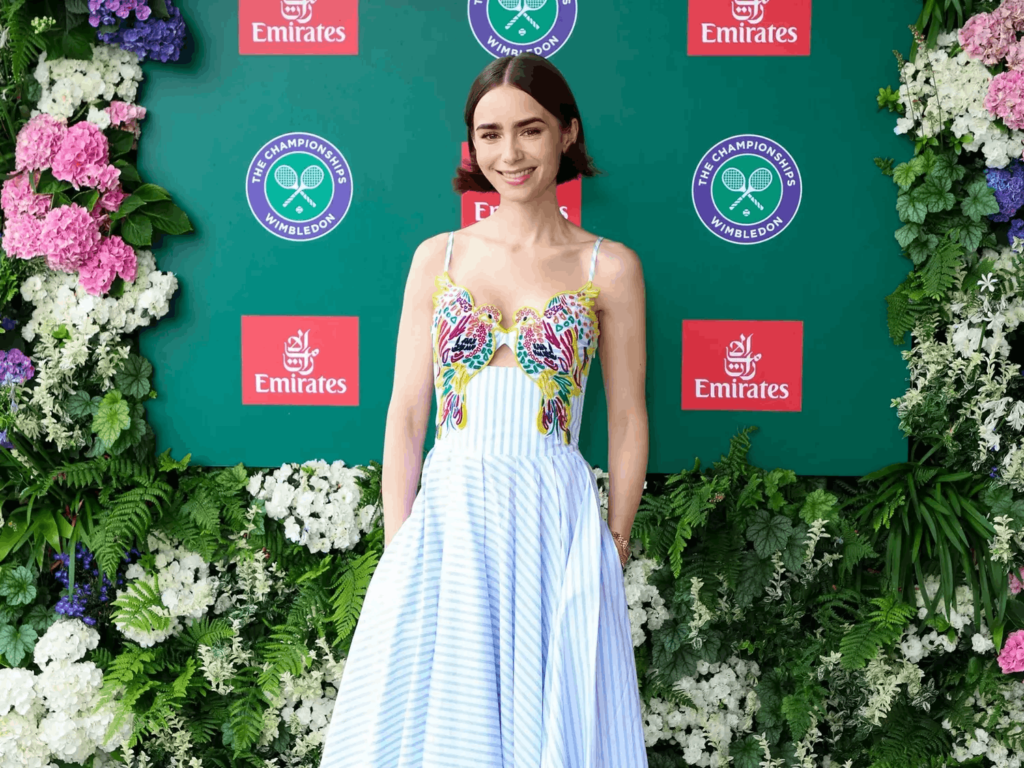
Case in point: Wimbledon. The Guardian recently reported on the tournament’s very deliberate courtship of younger fans, international visitors and a small army of influencers. And it’s working beautifully. The crowd is younger, more global, and producing the kind of content usually reserved for fashion week and infinity pools.
Excellent marketing. Almost too excellent.
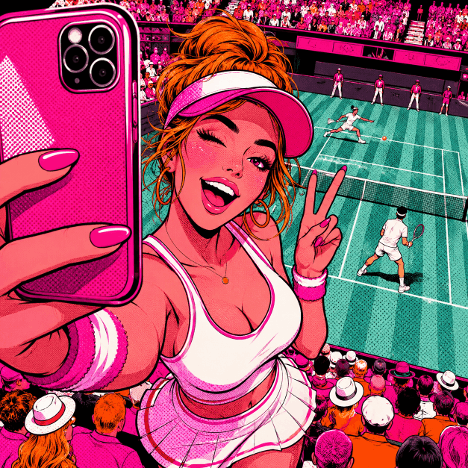
Because Wimbledon now risks becoming less a tennis championship than a very photogenic backdrop. The outfits, the flowers, the celebrity sightings and the Instagram proof-of-attendance are starting to out-compete the actual game of elite athletes hitting a ball across a net. That’s the strange thing about overmarketing: it never looks like failure. It looks like a longer queue.
Anyone for Content?
Wimbledon hasn’t made a marketing mistake. It’s done exactly what every brand is told to do: widen access, chase youth, recruit creators, generate content, turn tradition into “experience.” The trouble is that Wimbledon’s whole mystique was built on being not quite accessible. The ballot, the queue, the all-white dress code, the hush, the vague sense that eating a strawberry incorrectly might get you removed. None of that was incidental. That was the show.
Some brands genuinely improve when friction disappears: Amazon should make buying batteries effortless, Uber should make finding a car effortless. But luxury, sport, hospitality and culture often run on the opposite fuel: scarcity, ritual, anticipation. Not every velvet rope is an inefficiency waiting to be optimized away. Sometimes the rope is the product.
Break Point at 29,000 Feet
Everest is the purest version of this. It once stood for isolation and magnificent human stubbornness. Now, photos periodically show a line of climbers queuing near the summit, as if the world’s most dangerous check-in is now its most famous photo wall.
The mountain hasn’t gotten shorter, and the death zone hasn’t gotten friendlier. It’s just become easier for more people to believe that money, gear and enthusiasm are a substitute for experience. Nepal has been weighing tighter permit rules after years of concern about overcrowding and under-qualified climbers. Everest doesn’t need more brand awareness. It needs a bouncer.
Most businesses are lucky: when marketing outpaces supply, customers just complain. On Everest, they can freeze to death waiting for the influencer ahead of them to finish the photo.
Foot-Fault Tourism
Cities have run the same play at scale. Venice and Barcelona spent decades selling beauty, authenticity and “real local life”. That meant millions of people arrived looking for the exact same undiscovered café and secret street. Which is its own small paradox: the neighborhood bakery becomes a backdrop, apartments become short-lets, residents move out, and the destination campaign keeps advertising the authenticity its own success has been quietly evicting.
Across Europe, the backlash has arrived as visitor fees, entry restrictions and, in Barcelona’s case, residents armed with water pistols — not, one assumes, in the original brand guidelines. Arrival numbers are easy to count and great for a slide deck. Carrying capacity, resident sentiment and whether locals still want you there are less exciting, and far more important. A fully booked city isn’t automatically a healthy one.

TikTok, Set, Match
Social media has industrialized the destruction of the hidden gem. Every tiny restaurant, secluded beach and quiet village is now content-in-waiting, ready to be filmed, captioned “literally nobody knows about this place,” and shown to 800,000 people who will all arrive by Friday. “Hidden gem” has quietly become less of a recommendation and more of an evacuation notice.
The pattern is efficient: a creator finds a small restaurant, a crowd arrives for the same sandwich, staff get overwhelmed, regulars disappear, service slips and the reviews complain the place no longer resembles the video that caused the stampede. The algorithm has no concept of capacity. It doesn’t know the restaurant has fourteen tables. It detected engagement. Job done.
Advantage: Everyone
Luxury brands live inside a genuinely funny contradiction: they want to be exclusive and they want to grow, and those two goals actively hate each other. So, the industry expands stores, launches entry-level products, raises prices, seeds influencers and puts the logo everywhere from airport lounges to brunch. The once-rare object is now in every mall, feed and aspirational bathroom mirror. It’s still expensive. It no longer feels rare. And expensive-but-common is a precarious place for a luxury brand to stand.
Bain reports the global luxury consumer base shrank from roughly 400 million in 2022 to about 340 million in 2025, with active shoppers falling even faster. There are several causes, but nonstop exposure paired with nonstop price hikes hasn’t exactly helped anyone feel special. Growth can raise sales while quietly lowering desire — a genuinely awkward slide to present at the quarterly review.
Centre Court, No Centre
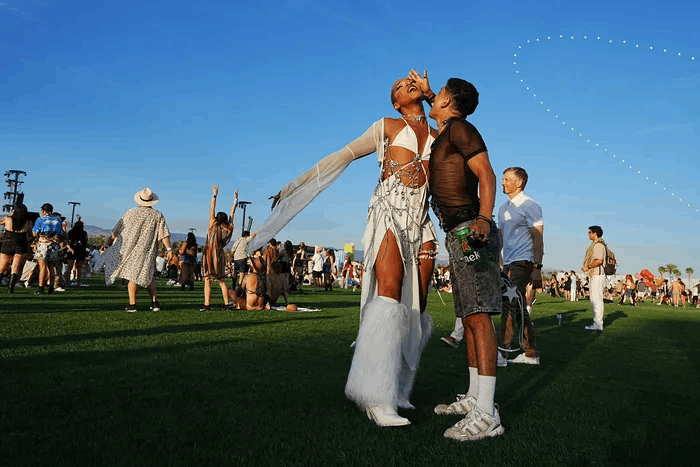
Festivals have gone furthest down this road. Coachella is now as famous for outfits, brand activations and sponsored posts as for whoever’s actually on stage. People don’t just attend. They instead document themselves attending, next to other people documenting themselves attending, occasionally blocking the view of people who mistakenly came for the music.
The experience becomes scenery for proof of the experience. The concert becomes the background. The restaurant becomes the studio. Wimbledon becomes the outfit. Eventually the event stops being something people live through and becomes something they rent, wristband included.
The Overmarketing Tiebreaker
Brands rarely spot overmarketing early, because the first numbers look fantastic — reach up, footfall up, mentions up — while operations quietly barricades the door. The real warning signs show up elsewhere: regulars feel crowded out, quality slips, queues become the main event and people seem more interested in proving they showed up than in actually being there.
The right question was never “how many people can we attract.” It’s “how many people can we serve brilliantly without wrecking what attracted them.” For some brands that means maximum reach. For others it means optimum reach — timed entry, memberships, limited releases or deliberately steering demand toward quieter moments. And it means measuring more than awareness and revenue: repeat satisfaction, service consistency, staff strain, community sentiment, and whether the experience still resembles the promise.
A packed house can be a triumph. It can also be a fire-code violation with excellent engagement numbers.
Serve and Protect
Wimbledon’s real challenge was never attracting more people. It’s protecting the ritual and slightly absurd dignity that made people want in to begin with. The queue, the ballot, the strawberries, the near-comical formality — these aren’t outdated obstacles waiting for a consultant to streamline them. They’re the brand.
Marketing has spent decades tearing down barriers, and usually that’s the right instinct. But not always. Sometimes the queue builds anticipation. Sometimes the invitation creates belonging. Sometimes the secret is the whole point.
Sources: The Guardian, “How social media is changing Wimbledon from eminent tournament to tourist event,” July 2026, Bain & Company Global Luxury Market Study.