


Can You Bribe a Robot?
Marketers are already trying to game AI recommendations. But the robots may be smarter than we think.
The media organization, TIME, working with ad-tech firm Mobian, has been testing “Agent Ads” — sponsored content written not for you, but for the AI crawler reading over your shoulder. Ally Bank, the U.S. digital bank, and the Project Management Institute, the global professional association, are already buying in. The pitch: skip the tedious business of earning credibility and just buy your way into the robot’s reading material. One problem: It doesn’t seem to work. And Perplexity has already called it “cloaking” and blocked it.
What the Hell Is an Agent Ad?
A normal ad is made for a human to see. An Agent Ad is made for an AI crawler to discover. It is brand-fed text on simplified pages that human visitors to the same site never see. Basically, they are planting information somewhere an AI might stumble onto it while researching, hoping that it shapes what the AI eventually tells someone.
It’s the old search-engine trick of showing a crawler something different from what a human sees. Which is why Perplexity calls it cloaking and has warned publishers using it they could get downranked. OpenAI and Google haven’t said they’ll treat it the same way, so it’s not dead. But nobody’s proven buying an Agent Ad buys a recommendation, either.
Of Course Marketers Want In
The stakes are real. Adobe found AI-referred traffic to US retail sites is up 393% year over year, converting 42% better than regular traffic. Similarweb found ChatGPT referrals to brand homepages jumped 354.7% in a single week after a UI change. Naturally, marketers’ first instinct after “how do we get in the answer?” is “how do we game it?”
The Robot Smelled a Rat
We’ve seen this movie. SEO began as making useful information easier to find before it curdled into keyword stuffing, link farms and cloaking, until Google got sophisticated enough to catch it, reportedly nuking 40 billion spammy pages a day. Agent Ads risk replaying that whole arc, faster, against a smarter referee.
Sorry. You Still Have to Do the Work.
This is what our PR for Robots sessions are about: making brands visible, understandable and recommendable when customers ask AI what to buy or whom to trust. We earn credible third-party coverage, develop real expertise and use SEO/AEO to make that evidence discoverable and legible to machines. Paid media can amplify a credible foundation. But it can’t manufacture one.
The data backs this up hard. Muck Rack analyzed 25 million links cited by ChatGPT, Gemini, and Claude: 84% came from earned media. Paid and advertorial content? 0.3%. Eighty-four percent earned. Point-three percent paid.
You Can’t Optimize Your Way Out of Being Uninteresting
Ahrefs studied 75,000 brands to find what correlates with AI visibility. Content volume barely mattered. The strongest driver was YouTube mentions, followed by brand mentions across the wider web — places you don’t control. AI doesn’t need more stuff from you. It needs credible evidence about you.
You Don’t Get to Pick Your Robot
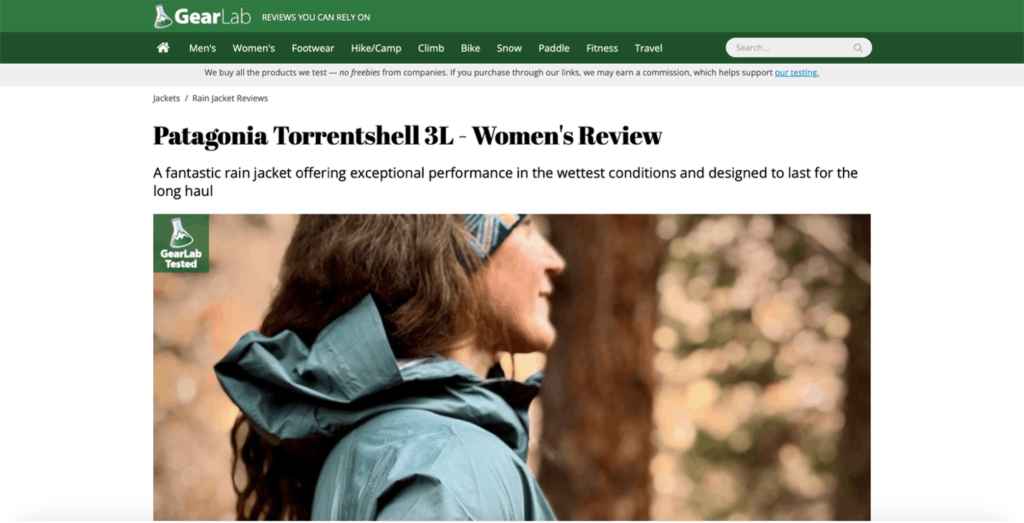
There’s no single AI to please. ChatGPT’s share of AI traffic slid from ~76% to ~53% in under a year as Gemini surged. The engines don’t even read the same things. ChatGPT favors journalism, Gemini leans more on Reddit and YouTube, Claude seeks more academic output. Semrush found only 36 brands hold top-100 visibility across all platforms every month — Apple, Amazon, Patagonia-types with real, independent footprints, not just a nice website. Patagonia’s strength comes from being discussed on OutdoorGearLab, REI, GearJunkie, Reddit — other people talking about it. That’s much harder to fake.
Make Yourself Worth Recommending
Ask AI the questions your customers actually ask, not your brand name. See who shows up, and why and which sources it’s trusting. Then close the gap: earn real coverage, produce real research, put real experts in front of real journalists, make the evidence machine-legible via SEO/AEO. Measure AI mentions, citations, sentiment and referral traffic. Also check whether AI can even crawl your site. Adobe found big chunks of major retail sites aren’t fully accessible to AI systems at all!
Stop Trying to Outwit the Robot
Agent Ads may mature into a legitimate format. Bit so far, there’s no evidence that buying one buys a recommendation. And Perplexity’s reaction proves the machine gets a vote. AI companies depend on people trusting their answers. The moment those answers look bought, trust erodes fast.
Which brings us to an irritatingly old-fashioned conclusion: build something good, earn credible coverage, make it easy for AI to find. Do the real marketing work instead of hunting for the cheat code. We’ve built extraordinarily sophisticated AI, and our first instinct is apparently to see if we can fool it.
Maybe the robots aren’t the ones who need to get smarter.
As we preach in our PR for Robots webinars, it isn’t about tricking AI into thinking your brand matters. It’s about doing the work that gives AI enough credible evidence to know that it does.
Sources: The Business Insider (Aug 2026); Muck Rack, What Is AI Reading? (2026); Adobe Digital Insights (2026); Similarweb (2026); Semrush AI Visibility Index (2026); Ahrefs (2026); Google Search Central.