

Marketing Under Missile Fire
When a streak of light in the night sky suddenly halts and flashes followed by the thunder of an explosion of a missile aimed at your city, the content calendar suddenly looks small. In moments like this, the difference between strategy and automation becomes painfully obvious.
I’m writing this after the first 24 hours of missile and drone interceptions over Dubai. We knew the attack on Iran was happening, so no one here was naïve about the likelihood of a response. But that didn’t make the experience less jarring. From my terrace in the Marina and from JBR beach, I could see the streaks in the sky, the brief bloom of light and then wait for the delayed concussion. At one point I witnessed the blast from an interception that I soon learned had struck the front of a friend’s building on Palm Jumeirah. I stood there watching the plume of smoke rise because there was nothing else to do.
My phone has been lighting up with WhatsApp threads filled with fear and confusion, market alerts and far-flung friends asking if my family and I are okay. Yesterday, the US and Israel struck Iran. The region is tense, to say the least.
Yet somewhere, right now, a brand still has a pre-scheduled (probably AI-written) LinkedIn post going live about a topic that seemed quite relevant at the time it was composed but now seems tone deaf.
There is something almost admirable about the discipline of a well-oiled marketing machine. Until it becomes grotesque.
Silence Is Strategy
Often, the best first move in a real crisis is to stop talking. Not forever. Just long enough to read the room.
Edelman’s 2024 Trust Barometer reports that 71% of consumers say it is more important for brands to show empathy than promote products during uncertain times. That’s not sentimentality. That’s market data.
Over the years we’ve worked with a long list of companies where there was always a threat of catastrophe, like airlines, gas companies and car makers. In those categories accidents are not theoretical. They happen. We always had a policy of pulling ads and content immediately following any kind of incident in their sector. You do not run a glossy airline campaign the day after a crash. You do not push horsepower messaging after a pileup dominates the news. Handling hundreds of crisis situations over decades has taught us one simple lesson: sometimes you really have to learn when to shut the f%&k up.
When Russia invaded Ukraine in 2022, I was living in Moscow. (I’m just lucky like that). The brands that responded fastest were not the ones drafting clever copy. They were the ones making hard decisions. Airbnb shifted its focus toward housing refugees and later reported facilitating more than 100,000 free stays. As soon as it became clear that this was going to be a prolonged conflict, harder decisions had to be made. McDonald’s and many of our clients exited Russia, some after decades in the market. And we moved our headquarters to Dubai.
The same pattern repeated during the early days of Covid. Airlines, hotel groups and cruise lines that paused aspirational advertising while borders were closing avoided looking delusional. Those that kept running “escape now” creative looked detached from reality.
Context Beats Calendar
I’ve said this before: Marketers love a calendar. It gives the illusion of control.
But Sprout Social’s 2023 research found that 53% of consumers say brands that fail to adjust messaging during major global events appear disconnected from reality. Disconnected is polite language for out of touch.
AI can schedule content. But it can’t hear missile interceptions outside your window. Judgment still requires a pulse.
Your Employees Are the First Audience
Before your customers read your statement, your employees do.
Gallup’s 2023 research shows that 70% of employee engagement variance is tied to manager communication. In a crisis, internal silence is deafening.
Microsoft’s leadership has consistently communicated internally within hours of major global disruptions before going public. The sequencing matters. If your own people are anxious or confused, your external messaging will feel cosmetic.
Purpose Gets Audited Under Pressure
Every brand has a purpose statement. Crisis is where it gets tested.
Deloitte’s 2024 Global Marketing Trends report shows purpose-led brands have outperformed the market over a decade. Not because they have nicer websites, but because they behaved consistently when it was inconvenient.
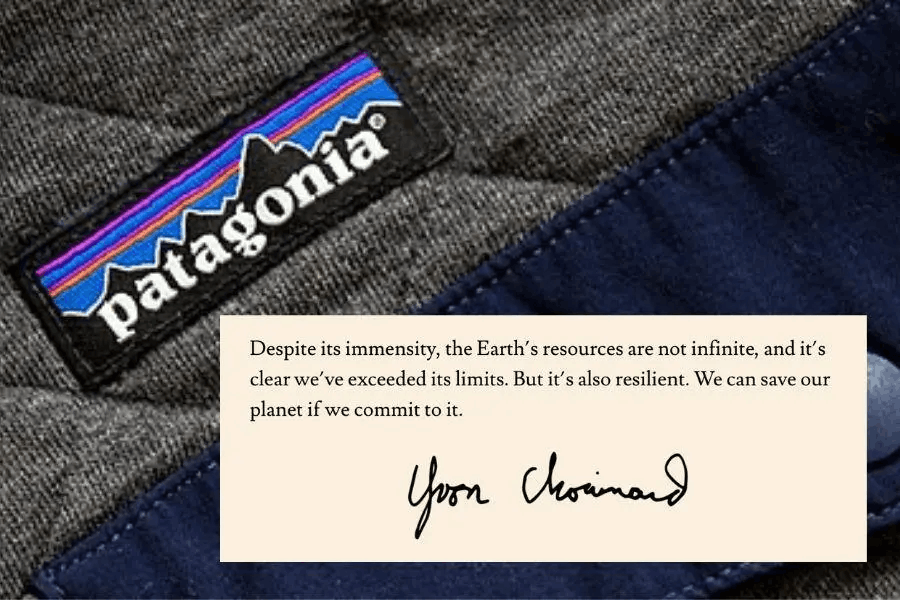
Patagonia did not suddenly discover environmental conviction during turbulence. It redirected tax savings in 2022 toward environmental causes in line with long-standing commitments. Consistency under pressure builds credibility.
Media Efficiency Changes When Fear Dominates
There is also a practical argument for restraint.
Nielsen data shows brand recall can drop by up to 40% when ads run next to heavy negative news coverage. In other words, you may be paying for impressions that no one is emotionally available to process.
During early pandemic volatility, Unilever reduced media spend in certain markets to avoid adjacency to distress coverage and refocused on essential messaging. That wasn’t retreat. It was discipline.
Do Not Hijack the Moment (especially if the moment is about a hijacking)
Crisis is not a creative brief.
Kantar’s 2023 research found that 75% of consumers say brands should avoid humorous or lighthearted messaging during serious global events. There is a line between relevance and opportunism, and most brands are not nearly as good at spotting it as they think they are.
In the early days of the Ukraine invasion several fashion brands faced backlash for continuing glossy promotional content. Meanwhile LVMH quietly suspended operations in Russia. One approach created noise. The other conveyed gravity.
If your first instinct is to build a themed campaign around geopolitical chaos, step away from the keyboard. If you’re wondering if the joke is “too soon”, it almost certainly is.
If You Speak, Be Specific
Vague solidarity statements are cheap. Action is expensive. That is precisely why it works.
Cone Communications research shows 64% of consumers will buy from brands that take action aligned with their values, yet only 25% believe most brands actually follow through. That gap is where reputations are either built or dismantled.
After the Astroworld tragedy in 2021, multiple brands quietly paused influencer campaigns and promotional partnerships tied to the festival. There was no attempt at clever real-time commentary. Silence was the correct response.
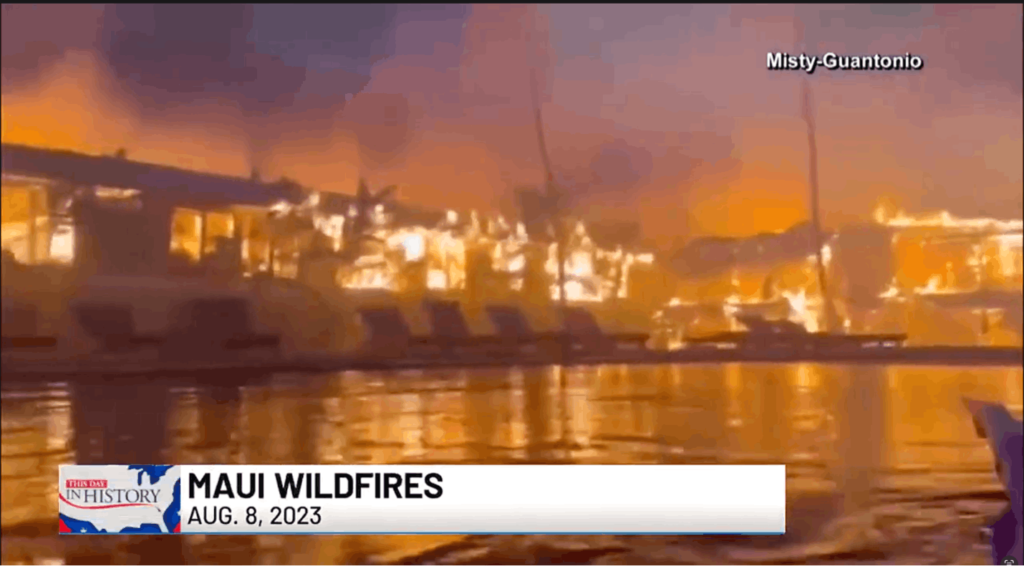
During the Maui wildfires in 2023, several major travel brands and tour operators suspended destination advertising while residents were evacuating. That meant foregoing revenue and avoiding tone deaf promotion in the middle of a disaster.
Specific action sometimes means saying less, pulling spend, freezing posts and resisting the urge to perform. In a crisis, discipline is often invisible. That is the point.
Investors Are Listening Too
This conversation does not end with consumers.
PwC’s 2023 Global Investor Survey found that 76% of investors consider how companies manage geopolitical risk when allocating capital. Your crisis response now sits alongside your earnings call in the assessment of competence.
During the Silicon Valley Bank collapse in 2023, institutions that communicated quickly and clearly stabilized perception faster than those that hesitated. In volatile markets, clarity has monetary value.
The Algorithm Amplifies Emotion, Not Accuracy
Research from MIT published in Science found that false news spreads significantly faster on social platforms than verified information. Speed is not the same as wisdom.
During recent Middle East escalations misinformation surged on X and TikTok within hours. Brands that rushed to comment risked amplifying noise. Waiting for confirmed information is not timidity. It is risk management.
The Internet Has a Long Memory
You do not get to quietly delete your way out of a bad crisis response.
Pew Research in 2023 reported that 85% of adults believe companies remain accountable for online statements even after deletion. Screenshots are the permanent record.
Brands that mishandled pandemic messaging in 2020 still see those posts resurfaced years later in analysis and commentary. Crisis conduct becomes archived evidence.
Be Careful Out There
Back here in Dubai, the sun is shining (it almost always is) and the marina looks calm. There’s not a lot of traffic. Boats are neatly tucked into their slips, as most people are still sheltering in place, bracing for the next wave…which may or may not come.
Of course, marketing will resume (hopefully by the time you read this). Campaigns will relaunch. Everything will normalize. But if you can hear missile interceptions and your primary concern is click-through rate, something is misaligned. There is a time to push and there is a time to pause. The professional skill is knowing which moment you are in.
If the sky lights up outside your window tonight, close the laptop. Check on your people. The impressions can wait.
Sources: Edelman Trust Barometer 2024, Sprout Social Index 2023, Gallup State of the Global Workplace 2023, Deloitte Global Marketing Trends 2024, Nielsen Ad Adjacency and Recall Data, Kantar Global Brand Guidance Research 2023, Cone Communications CSR Study, PwC Global Investor Survey 2023, MIT Research on False News Spread, Science, Pew Research Center Digital Accountability Study 2023