


Growing Sales by Reducing Choices
The next growth lever isn’t adding features, SKUs or options. It’s removing friction, decisions and doubt. Brands that curate with confidence don’t just simplify buying—they outsell, out-trust and out-perform.
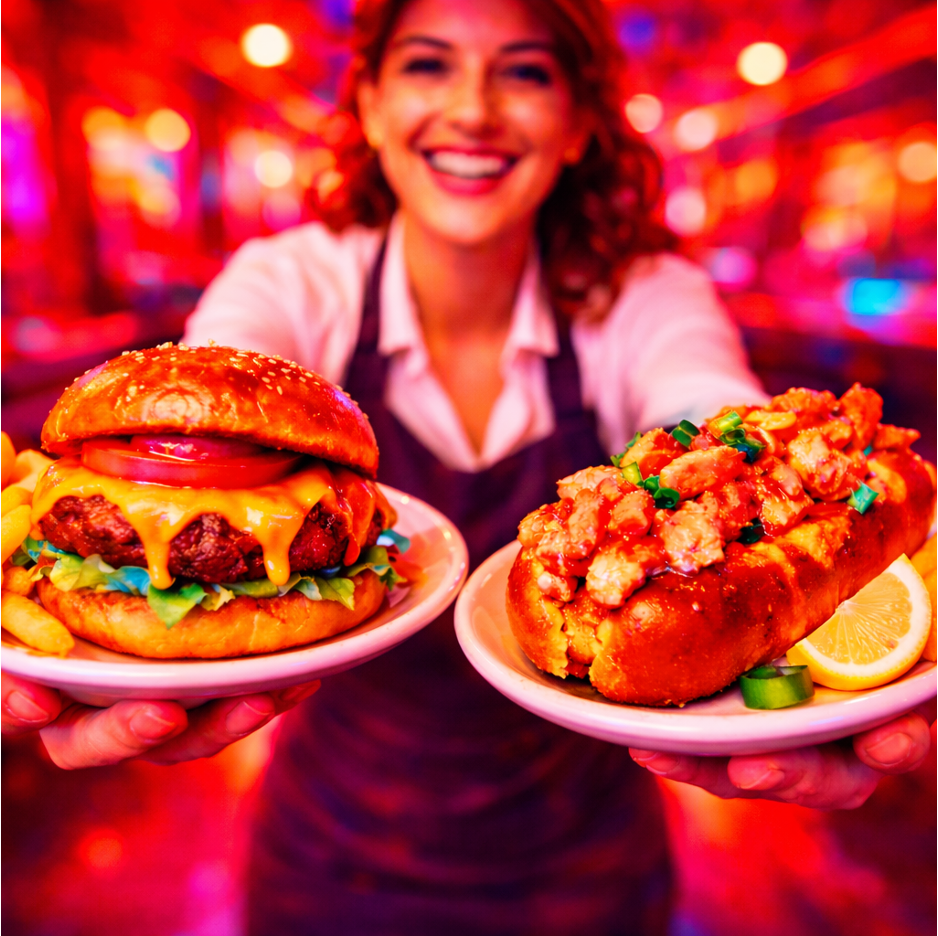
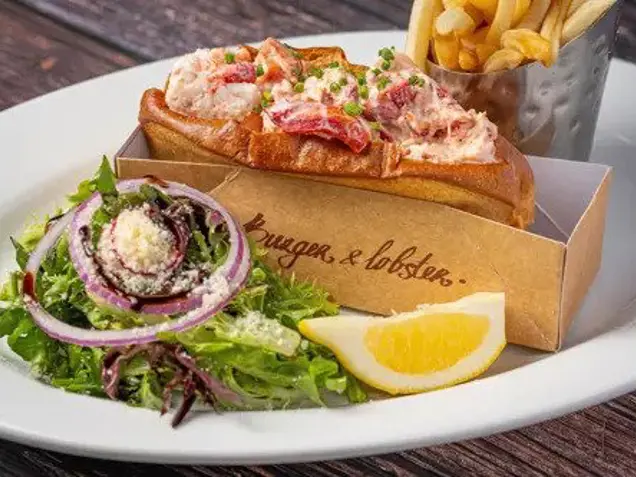
I realized something long ago in London, at dinner. When I’m not at Boisdale—my favorite restaurant (and my favorite investment)—I almost always end up at Burger & Lobster. Guess what they serve? Whole lobsters, lobster rolls, fries, salad, dessert and a proper bar. That’s about it. And because the choice is limited, everything is relentlessly perfected. The burger isn’t just a burger, it’s precision in a bun. The lobster roll isn’t one of many options, it’s the reason you’re there. The fries are hand-cut, not an afterthought. When you stop trying to be better at everything, you suddenly have the time, focus and discipline to be the best at a few things.
Operationally it’s a masterclass. A ruthlessly efficient kitchen. Serious buying power that turns scale into fair prices rather than bloated margins. Lines outside many nights. And I’ve heard that they rank among the largest lobster importers in the UK with numerous locations around London and a few globally. This isn’t minimalism to be trendy. It’s curation as strategy.
Burger & Lobster is the living antithesis of brands like the The Cheesecake Factory, a model of infinite choice and infinite regret. You don’t go there to browse. You go to decide quickly, eat exceptionally well and leave satisfied. That feeling—that someone smarter already did the hard thinking for you—isn’t just pleasant. It’s premium. And it applies to many brands far beyond restaurant industry.
Why Fewer Choices Sell More
This isn’t intuition. It’s backed by decades of behavioral science. A meta-analysis published in the Journal of Consumer Psychology reviewing 50+ studies found that while large assortments attract attention, they reduce purchase likelihood and satisfaction. More options increase cognitive load, decision anxiety and post-purchase regret. In other words, variety looks good in theory but often performs badly in practice.
Retail data tells the same story. Costco carries roughly 4,000 SKUs versus around 30,000 in a typical supermarket. That constraint isn’t accidental. Costco converts “less choice” into trust, speed and value, helping drive membership renewal rates consistently above 90 percent in North America according to company filings. Customers pay to not have to think.
In Germany, Aldi operates with around 1,400 core products. OECD grocery pricing studies show Aldi regularly undercuts full-assortment grocers by double-digit percentages while maintaining strong margins. Fewer decisions for shoppers. Fewer costs for the business. Everyone wins.
Digital Didn’t Kill Curation. It Made It Mandatory
E-commerce promised infinite shelf space. What it delivered was infinite abandonment. Baymard Institute’s long-running global research shows nearly 70 percent of online shopping carts are abandoned, with “too many options” and “difficulty choosing” repeatedly cited as primary causes.
The winners don’t expand catalogues. They compress decisions. Netflix aggressively limits visible choice despite a massive library. Internal Netflix disclosures have shown that artwork personalization and row curation materially increase viewing starts by reducing the time to decide. The catalogue stays large. The decision set stays small.
Spotify reports that curated playlists drive the majority of listening hours on the platform. Users don’t want every song ever recorded. They want the right next one.
In China, Pinduoduo grew explosively by collapsing choice into group-buy offers and limited daily selections. Fewer options, stronger social proof and faster decisions powered one of the fastest e-commerce growth stories of the past decade.
Trust Has Gone Local
Edelman’s Trust Barometer shows a sustained shift away from institutional authority toward “someone like me.” Trust is no longer broadcast. It’s contextual. In that environment, brands don’t win by claiming expertise. They win by simplifying decisions in ways that feel aligned and human.
This is why Muji, the Japanese lifestyle and retail brand built on radical simplicity, thrives globally with restrained palettes and tightly edited product lines. Minimalism here isn’t aesthetic. It’s reassurance.
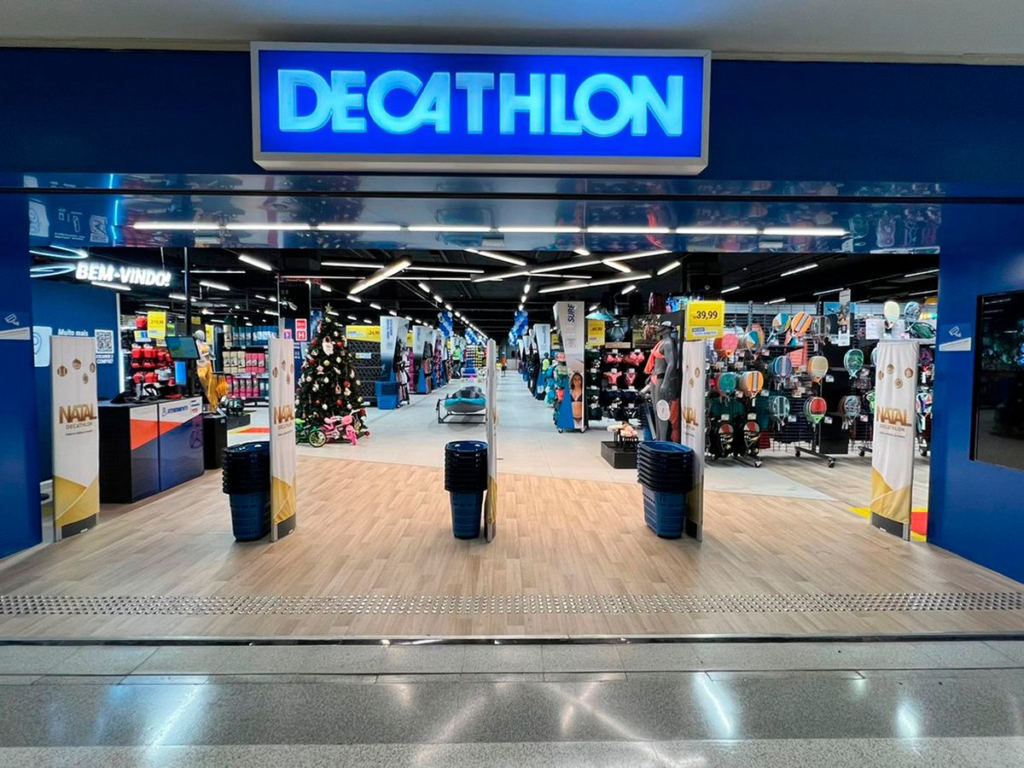
It’s why Decathlon, the French sporting goods retailer serving everyday athletes at scale, reorganized stores and websites around “best choice” recommendations rather than endless variants, contributing to higher conversion rates and faster in-store navigation reported in European retail studies.
It’s why Patagonia, the US outdoor apparel company known for durability, repair and resale, limits seasonal drops and colorways while outperforming peers on loyalty and resale engagement. Fewer choices signal conviction.
The fact is, no one actually wants your brand to offer everything. That’s a myth marketers tell themselves to justify bloated menus and infinite filters. What people really want is reassurance. Look at the explosion of curators promising the best headphones, the best carry-on, the best mattress, the best restaurant in town. Even on ChatGPT, one of the most common follow-up prompts isn’t “show me more options,” it’s “just tell me which one I should buy.” Choice isn’t empowering when it’s unlimited. It’s empowering when it’s resolved.
Feature Creep Is the Quiet Enemy of Premium
In tech, restraint correlates with profit. Apple maintains a remarkably narrow product matrix compared with Android competitors yet captures the majority of global smartphone profits according to Counterpoint Research. Fewer models. Clear positioning. Less regret.
In QSR, McDonald’s simplified menus globally during COVID to manage operations. Earnings calls throughout 2020–2021 cited faster service times, higher order accuracy and improved margins. Complexity crept back later. Performance gains softened.
In aviation, Ryanair stripped fare structures to bare essentials, outperforming competitors on cost per seat kilometer while maintaining strong load factors even in volatile markets.
What Marketers Should Actually Do
Reducing choice isn’t about shrinking inventory blindly. It’s about redesigning decision-making.
First, decide where the brand will think so the customer doesn’t. Best sellers, editor’s picks and default bundles consistently outperform open choice sets across e-commerce categories.
Second, collapse options into meaningful differences. Remove cosmetic variants. Keep distinctions that genuinely change outcomes.
Third, design for speed. Measure time-to-decision, not just conversion. Brands that reduce decision time convert better and refund less.
Fourth, use curation to signal values. What you exclude communicates as loudly as what you include.
Finally, operationalize simplicity. Fewer SKUs simplify supply chains, marketing, training and innovation cycles. Bain research shows companies that actively manage portfolio complexity deliver higher long-term margins than those that don’t.
The brands winning right now aren’t minimalist because it looks cool. They’re curated because it sells.
Sources: Journal of Consumer Psychology choice overload meta-analysis, Edelman Trust Barometer, Costco annual reports, OECD grocery pricing studies, Baymard Institute e-commerce research, Netflix product and technology disclosures, Spotify investor disclosures, Counterpoint Research smartphone profit share, McKinsey and Bain portfolio complexity research, Company earnings calls and annual reports for referenced brandsю