


Are Your Customers Loyal or Just Temporarily Trapped?
For decades, marketers have congratulated themselves on building loyalty. But much of what we call loyalty is really just engineered convenience mistaken for emotional commitment.
I witnessed great loyalty systems as they were being were built. I even helped decipher how loyalty actually functioned. I worked with Marriott when they were creating Marriott Rewards, what would become one of the most influential points systems in hospitality and, arguably, the program that permanently rewired how the industry thinks about repeat business. In fact, my agency has built advertising campaigns and reward and loyalty programs for countless brands like Gillette, Goodyear and 3M across categories where repeat purchase is everything. “Build loyalty” has been our mantra. A north star. And yes, we tel ourselves it is about emotional affinity and brand love. But from the very beginning, we knew the quieter truth: loyalty doesn’t often happen by accident. It is usually engineered. Carefully. Systematically. Through marketing mechanics.
Marriott Bonvoy numbers tell you just how powerful those mechanics can be. Marriott Rewards became Marriott Bonvoy in 2019 to unify and reset its loyalty programs after the Starwood Hotels acquisition and is now approaching 260 million members. That kind of scale doesn’t come from warm feelings alone. It comes from structure.
The Loyalty Story We Like to Tell Ourselves
Brands love the romance of loyalty. The idea that customers stay because they feel something. Because they identify with the brand. Because they choose it even when alternatives exist. That story is comforting. It flatters marketers and reassures CEOs that they’ve built something meaningful. And sometimes its even true. But it also lets us avoid harder questions about what is really driving repeat behavior.
The reality is more complicated. Consumers today belong to a staggering number of loyalty programs at the same time. They swipe, scan and log in constantly. Enrollment has exploded. Engagement has not. When customers are “loyal” to dozens of brands simultaneously, what they are really loyal to is convenience and perceived value in the moment. Loyalty, in many cases, is just enrollment with a smiley face.
Marketing Mechanics: The Real Engine Behind “Loyal” Behavior
Points, tiers, status levels, bundles, subscriptions, contracts, defaults, stored preferences, learning curves. These are not emotional bonds. They are marketing mechanics. They work brilliantly. They reduce switching. They reward inertia. They make leaving feel irrational or expensive. The problem isn’t that these mechanics exist. The problem is that many brands mistake them for genuine loyalty and overestimate how durable that relationship really is.
This is where the data undercuts the mythology. Global research shows most consumers actively switch brands even while enrolled in loyalty programs. Mechanics keep people in the system, not necessarily in love with the brand. When those mechanics are paired with daily habit and real convenience, as seen with Starbucks Rewards or Middle Eastern subscription bundles like Careem Plus, they can be extraordinarily effective. But effectiveness is not the same thing as emotional attachment and confusing the two is where risk creeps in.
Trapped vs Loyal
A trapped customer behaves like a loyal one until the second something changes. A better UX. A more attractive value proposition. A challenger that removes friction. When the mechanics weaken, so does the relationship. This is why entire customer bases can evaporate faster than brand trackers ever predicted.
I see this play out every year with my own subscription to The WallStreet Journal. I sign up at a bargain rate. It feels smart. Then the price quietly skyrockets at the end of the subscription term. They’re betting I won’t notice so they can automatically bill me a year in advance at ridiculously high rates. When I do notice, I cancel. And suddenly the discount reappears, sometimes steeper than before, offered instantly to keep me from leaving. What are they thinking? That this builds loyalty? The opposite of loyal isn’t apathetic. Oh yeah. It’s called “pissed off”.
Subscription churn tells this story with uncomfortable clarity. The moment content disappears, prices rise or value feels diluted, cancellation rates spike. That isn’t betrayal. It’s clarity. Customers were never staying because they loved you. They were staying because the marketing mechanics still worked. When those mechanics fail, loyalty is exposed as a temporary condition.

When Loyalty Programs Become Liability
As markets mature, the same marketing mechanics that once drove growth start to create fragility. Points inflation. Reward fatigue. Complexity that customers tolerate but don’t love. Leaders keep investing in the system because it looks like retention on a dashboard, while ignoring how thin the emotional layer has become. That tolerance is measurable. A 2024 PwC global consumer survey found that 32% of customers will walk away from a brand they like after just one bad experience, loyalty program or not. When the mechanics are doing most of the work, the margin for error collapses.
Airlines are the clearest case study in how fast goodwill can evaporate. In 2023, Delta Airlines announced changes to SkyMiles that sharply raised spending thresholds for elite status. The backlash was immediate and public enough that Delta reversed parts of the program within weeks. What mattered wasn’t just the outrage, but the indifference that followed. Customers didn’t boycott. They recalculated. Many downgraded their engagement or shifted spend quietly, treating status as transactional rather than aspirational.
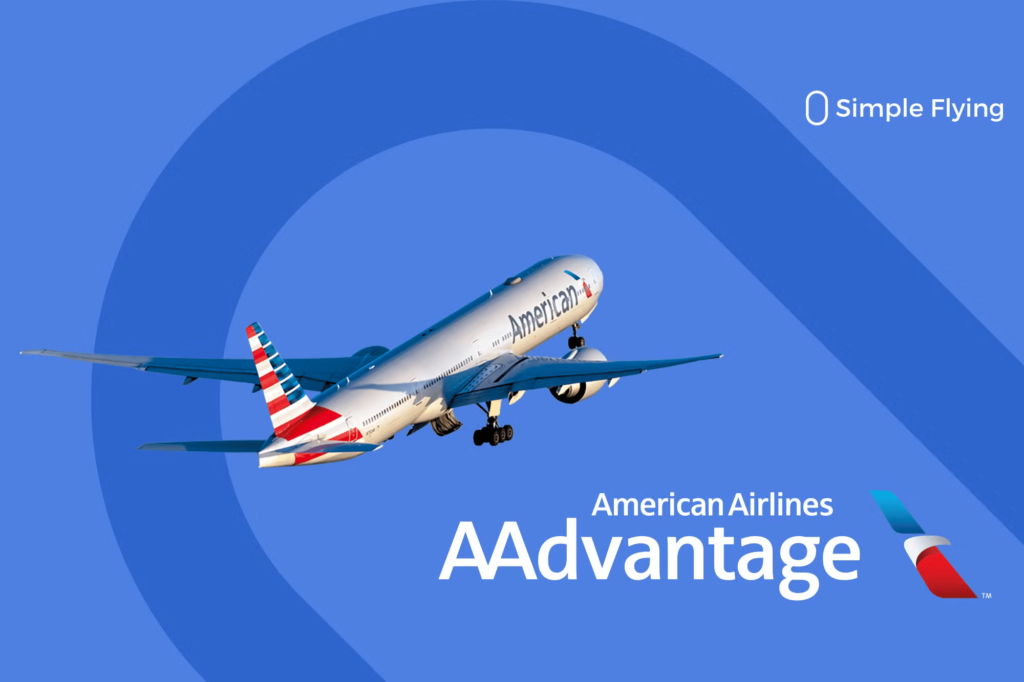
The pattern repeated in 2024 when American Airlines adjusted AAdvantage earning rules, reducing rewards on lower-priced fares. Industry analysts noted that frequent flyers increasingly optimize across multiple programs rather than commit to one. That behavior is backed by data: IdeaWorksCompany reported in 2024 that airline loyalty program revenues continue to rise even as customer satisfaction scores for those same programs stagnate or decline. The mechanics are profitable. The sentiment is brittle.
This dynamic isn’t limited to aviation. In retail, the UK Competition and Markets Authority opened a review in 2023–2024 into member-only pricing tied to loyalty cards at major supermarkets, questioning whether “loyalty” pricing was misleading consumers. When loyalty mechanics attract regulatory scrutiny, they have crossed from brand asset into brand risk.
Even in markets where loyalty programs are expanding rapidly, the warning signs are visible. In the Middle East, subscription-based loyalty programs from food delivery and ride-hailing platforms have grown quickly, driven by free delivery and bundled savings. But RedSeer Consulting data from 2024 showed that a majority of users churn in and out of paid subscriptions based on short-term usage rather than long-term attachment. Customers are not rejecting the programs. They are using them tactically.
This is how loyalty programs become liability. Not through dramatic collapse, but through quiet reclassification in the customer’s mind. From relationship to utility. From preference to math. What was designed to lock in affection becomes a system customers learn to game, exploit or abandon the moment a simpler alternative breaks the rules.
When Loyalty Scales Faster Than Trust
Marriott succeeded not just because of points, but because the mechanics were aligned with real value and consistent experience. Many brands copied the structure without earning the trust. That difference matters.
The scale of that trust gap shows up far beyond hospitality. A 2024 McKinsey consumer study across retail, financial services and telecom found that while more than 75% of consumers are enrolled in at least one loyalty or rewards program, fewer than one-third say those programs influence where they spend when service quality or pricing transparency deteriorates. Structure alone doesn’t create attachment. Execution does.
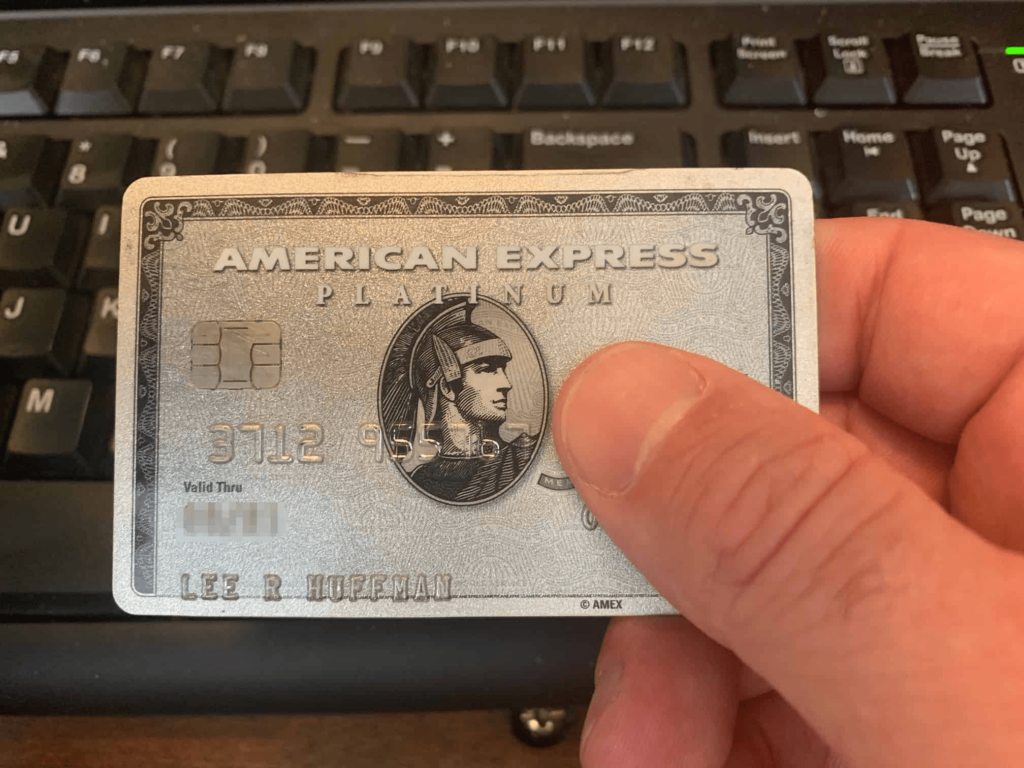
You can see this clearly in financial services. Amerian Express has sustained high engagement with Membership Rewards because points are tightly linked to premium service, fraud protection and perceived status. By contrast, multiple European banks expanded points-based card rewards in the last decade only to quietly scale them back as customers treated them as interchangeable discounts rather than reasons to stay. The mechanics scaled. Trust did not.
Loyalty today is openly used as a distribution strategy, not just a brand strategy, in sectors well outside travel. In retail and e-commerce, steering customers away from marketplaces is an economic imperative. A 2024 Bain analysis showed that brands selling primarily through their own loyalty-driven channels retain up to 40% more margin than those dependent on third-party platforms. Loyalty programs become toll booths. Useful ones, yes. But toll booths nonetheless.
This strategy works until it doesn’t. In grocery, Tesco disclosed that over 80% of transactions involve its Clubcard, an extraordinary penetration. But UK regulators opened reviews into loyalty-linked pricing after evidence suggested non-members were effectively penalized. When loyalty mechanics drift into perceived unfairness, the emotional buffer thins quickly and scrutiny follows.
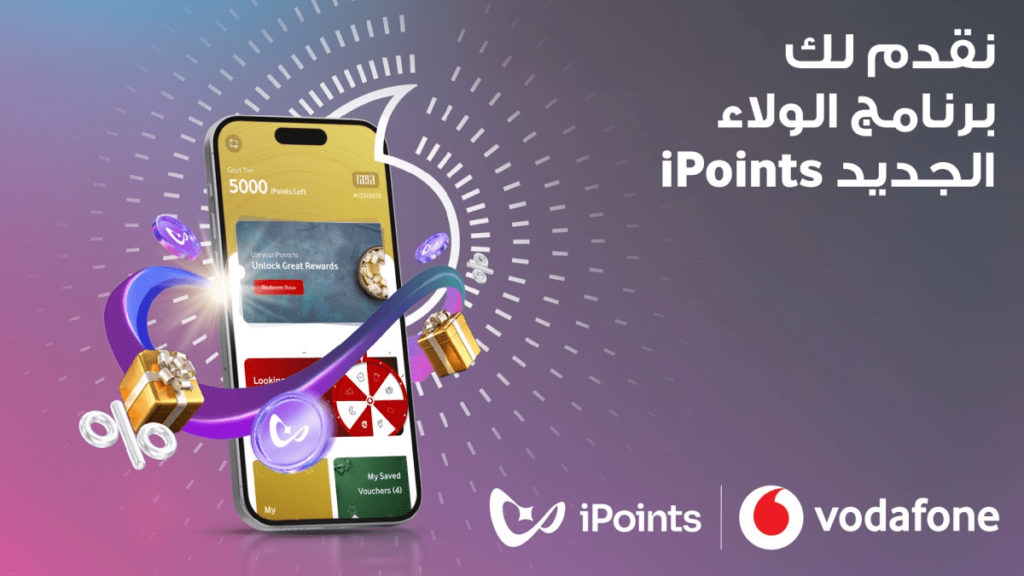
The same pattern shows up in telecom. Vodafone expanded loyalty-style bundles combining data, entertainment and device upgrades across multiple markets. Customer uptake was strong, but churn studies showed that when network quality lagged competitors, bundled rewards did little to prevent switching. Customers valued the perks. They didn’t mistake them for loyalty.
This is the quiet risk in treating loyalty primarily as a distribution lever. As long as the experience keeps pace, the toll booth feels fair. When it doesn’t, customers don’t rebel. They recalculate. They optimize. Or they route around the system entirely. That’s when the illusion cracks and loyalty reveals what it has become: a pricing and access mechanism with a memory problem.
The Executive Question Too Few Leaders Ask
Boards and CEOs often ask, “How loyal are our customers?” when the better question is, “What’s actually keeping them here?” If the answer is mostly friction, contracts or accumulated points, the business is more vulnerable than leadership thinks.
Regulators have started asking the same question from a different angle. When member-only pricing and loyalty-linked discounts blur into fairness concerns, loyalty programs stop being a marketing conversation and start becoming a governance issue. That’s when CEOs discover that marketing mechanics are not neutral. They shape trust.
What Real Loyalty Looks Like Now
Real loyalty today is quieter and rarer. It shows up when customers forgive mistakes, recommend without incentives and stay true even when switching is easy. Marketing mechanics can support that kind of loyalty, but they can’t substitute for it.
Modern consumers are explicit about this trade-off. Younger generations are pragmatic. They expect value. They compare relentlessly. They are happy to extract benefits without emotional commitment. Older consumers behave differently, but even they prioritize tangible rewards over abstract brand love. Loyalty has become a value exchange and pretending otherwise doesn’t make it more noble.
What Marketers Should Actually Do About This
First, audit your loyalty honestly. Not how many members you have, but how many would stay if you removed one layer of friction tomorrow. Points, contracts, defaults or switching costs. If that number scares you, good! It should.
Second, separate mechanics from meaning. Marketing mechanics should make staying easy, not make leaving painful. If your retention depends on confusion, complexity or guilt, you are not building loyalty. You are borrowing time.
Third, stop optimizing loyalty programs in isolation. Loyalty is downstream of product experience, pricing clarity and service reliability. If those aren’t competitive, no tier structure will save you.
Fourth, design for forgiveness, not just frequency. Real loyalty shows up when customers tolerate mistakes because they trust intent. If your program only rewards spend, you are training mercenaries, not advocates.
Fifth, and this is really important, assume customers will leave and design for return. The best modern loyalty systems accept churn as normal and focus on making re-entry frictionless. Cancel and rejoin behavior is not failure. It is the new baseline.
Finally, be honest in the boardroom. Call loyalty what it is. Engineered when it needs to be. Earned when it matters. Confusing the two is how brands wake up one quarter and realize their “loyal base” was just temporarily trapped.
Loyalty Isn’t Dead
Loyalty still matters. Maybe more than ever. But the era of confusing engineered stickiness with emotional commitment is ending. The brands that will survive the next wave of disruption are the ones honest enough to admit which customers are loyal and which are simply temporarily trapped and brave enough to redesign their marketing mechanics accordingly.
In the Middle East, for example, this tension is playing out in real time. Loyalty markets are growing fast. Subscriptions promise free delivery, bundled benefits and exclusivity. The arms race is obvious. So is the risk. When everyone competes on mechanics alone, customers learn to treat loyalty the way they treat streaming services (or the way I treat the Wall Street Journal): cancel, rejoin, cancel again.
That may look like loyalty in your dashboard. But it’s not loyalty in the real world.
Sources: Marriott International annual reports and earnings calls, Financial Times coverage of hotel loyalty and distribution economics, BCG Global Loyalty Research 2024–2025, Capgemini Consumer Trends 2025, Business Insider and Antenna subscription churn reporting, Reuters coverage of airline loyalty program changes, Euromonitor International consumer loyalty surveys, Research and Markets Middle East loyalty programs market reports.